
Demystifying calorie deficits and how they specifically impact women’s bodies, metabolism, and hormones for safe, sustainable fat loss.
If you’re a woman navigating the world of health and fitness, you’ve likely encountered the term “calorie deficit” more times than you can count. It’s often tossed around as the ultimate secret to weight loss, but for many, it remains shrouded in confusion, misinformation, and sometimes, even fear.
The diet industry has a long history of oversimplifying complex nutritional science, often leading women down paths that are unsustainable, unhealthy, or simply ineffective. This article is here to cut through the noise. We believe that informed choices lead to lasting health, and that understanding your body’s unique needs as a woman is paramount.
Unlike generalized advice, we’re diving deep into why calorie deficits behave differently for women, taking into account our unique hormonal fluctuations, metabolic nuances, and physiological makeup. This isn’t about promoting restrictive eating or quick fixes; it’s about empowering you with science-backed knowledge to approach your health goals safely and effectively.
Whether you’re new to the concept or looking to refine your understanding, this guide is designed to be your trusted resource. We’ll explore the fundamental science, debunk common myths, and, most importantly, prioritize your long-term health and well-being every step of the way. Get ready to gain clarity, confidence, and a truly beginner-friendly, science-backed understanding of the calorie deficit for women.
What Is a Calorie Deficit? (Plain English)
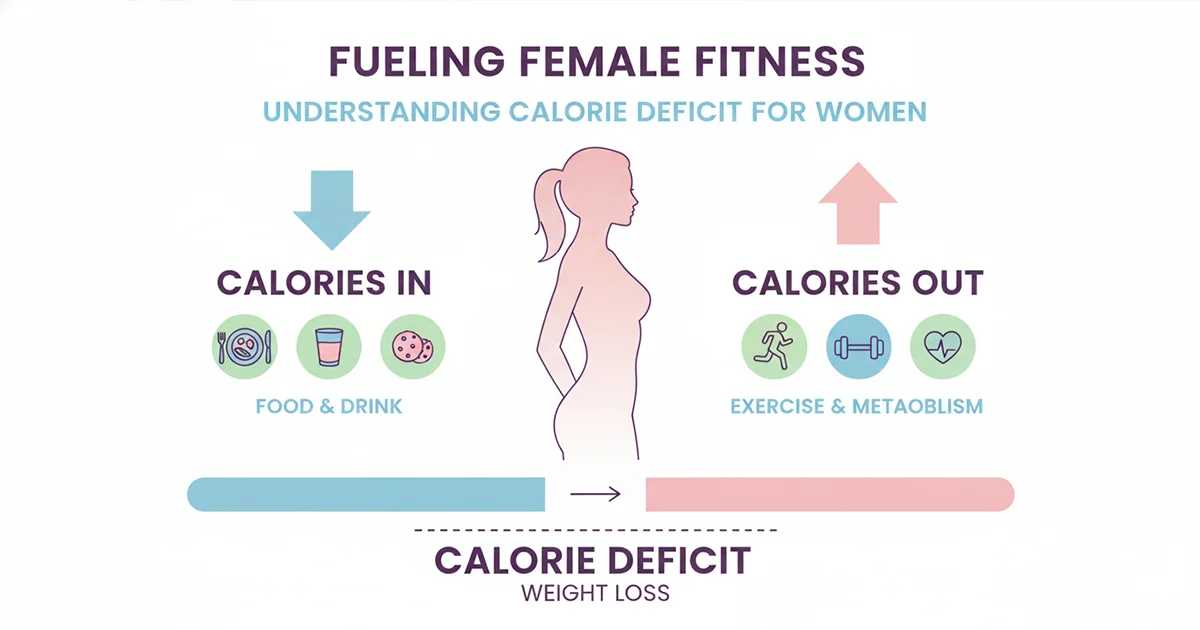
Let’s start with the basics. In the simplest terms, a calorie deficit means you are consistently consuming fewer calories than your body uses in a day. Think of it like a bank account for your body’s energy. If you deposit more money than you withdraw, your balance grows. If you withdraw more than you deposit, your balance goes down.
Calories are simply units of energy found in the food and drinks we consume. Our bodies need this energy to perform every single function, from breathing and pumping blood to exercising and thinking. This total amount of energy your body uses is called your Total Daily Energy Expenditure (TDEE).
When you create a calorie deficit, you’re essentially signaling to your body that it needs to find an alternative energy source. Since it’s not getting enough energy from your food intake, it turns to its stored energy reserves, primarily fat, to make up the difference. This process is what leads to fat loss.
It’s not about starvation or deprivation; it’s about creating a slight, manageable imbalance. As the Centers for Disease Control and Prevention (CDC) explains, losing weight comes down to consuming fewer calories than your body burns. The key is “fewer,” not “none.” A safe calorie deficit allows your body to tap into stored fat while still receiving adequate nutrition for optimal functioning.
The Cleveland Clinic emphasizes that a calorie deficit is fundamental to weight loss because your body will convert stored energy (fat) into usable energy to compensate for the difference. Understanding this simple energy balance is the first step in approaching your health goals with confidence and a scientific mindset.
How a Calorie Deficit Works in the Body
Now that we know what a calorie deficit is, let’s explore how your incredible body responds to it. When you create that energy gap, your body doesn’t just shut down; it’s designed to adapt and survive. Here’s a breakdown of the fascinating science:
Energy Balance Basics
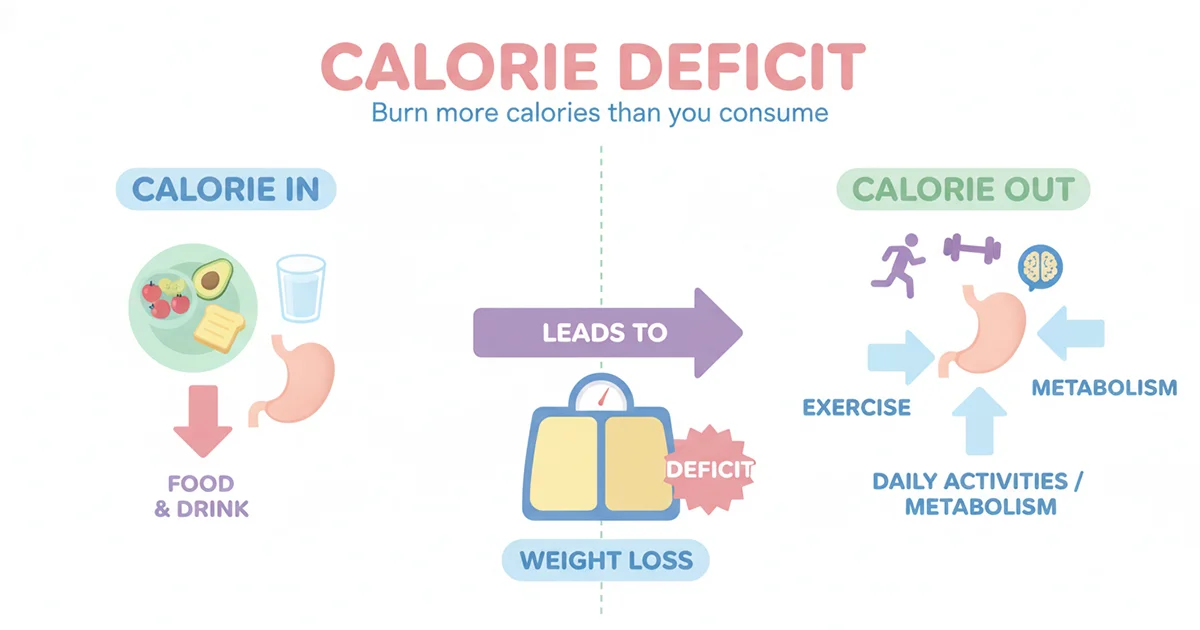
Your body is constantly burning calories, even when you’re at rest. This is your Basal Metabolic Rate (BMR), the energy needed for basic life functions. On top of that, you burn calories through physical activity (Exercise Activity Thermogenesis or EAT) and even digesting food (Thermic Effect of Food or TEF). Add it all up, and you get your TDEE.
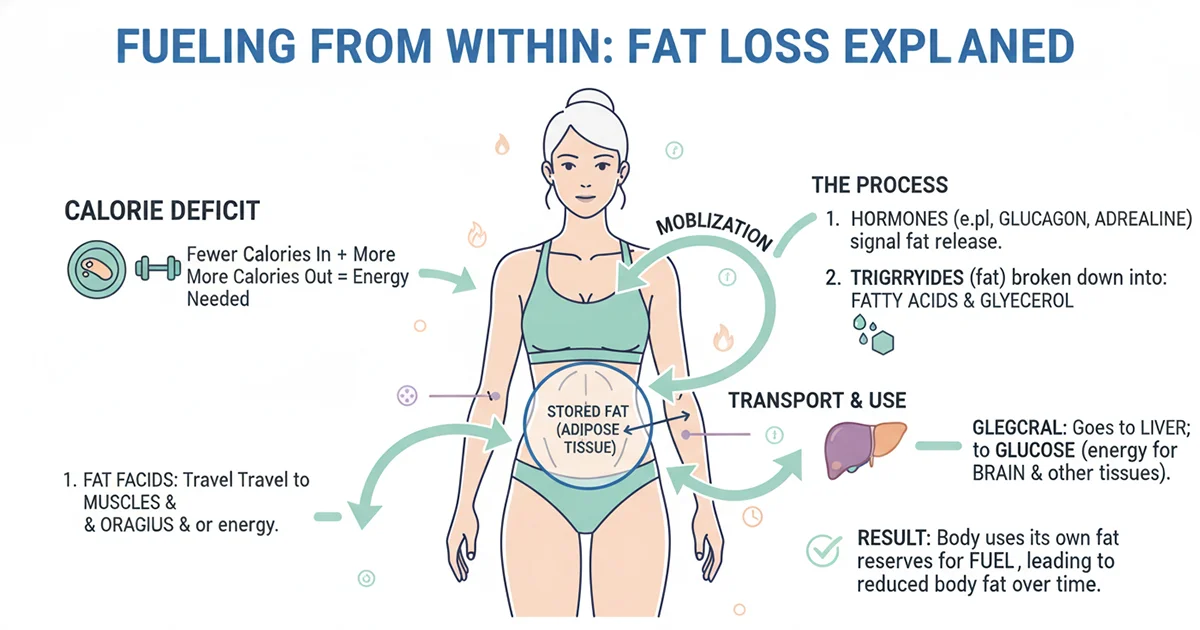
When your caloric intake is less than your TDEE, your body needs to find the missing energy. It first turns to readily available glucose (sugar) in your bloodstream and stored glycogen (a form of glucose) in your muscles and liver. Once these are depleted, your body shifts its primary energy source to stored fat.
Fat Loss vs. Muscle Loss
This is where the nuance comes in, especially for women. The goal of a calorie deficit for many is fat loss, not muscle loss. Muscle is metabolically active tissue, meaning it burns more calories at rest than fat does. Preserving muscle mass is crucial for maintaining a healthy metabolism and overall strength.
- Fat Loss: When your body consistently needs more energy than you’re consuming, it starts breaking down triglycerides (stored fat) into fatty acids and glycerol, which can then be used for energy. This is the desired outcome.
- Muscle Loss: If your calorie deficit is too aggressive, or if your diet lacks sufficient protein, your body might start breaking down muscle tissue for energy (a process called gluconeogenesis). This is undesirable, as it can slow your metabolism and weaken your body.
The National Institutes of Health (NIH) consistently highlight the importance of muscle mass for overall health, not just weight management. For women, who naturally have less muscle mass than men, preserving this tissue is even more critical.
Why Slow Deficits Matter for Women
Aggressive calorie deficits can signal to your body that it’s in a state of famine. This can trigger a “metabolic adaptation” (sometimes called starvation mode) where your metabolism slows down to conserve energy. This makes it harder to lose fat and can lead to a host of other issues, as we’ll discuss.
A moderate, sustainable deficit (typically 250-500 calories below your TDEE) allows your body to adapt gradually, primarily burning fat while preserving lean muscle mass. As Harvard Health frequently explains, consistent, small changes are often more effective for long-term health outcomes than drastic measures.
Incorporating adequate protein and resistance training alongside your calorie deficit is a powerful strategy to support fat loss and minimize muscle loss. This holistic approach ensures your body is burning fat efficiently while staying strong and healthy.
Why Calorie Deficits Are Different for Women (Critical)
While the basic principle of “calories in vs. calories out” applies to everyone, how the body responds to a calorie deficit is significantly influenced by sex-specific factors. For women, these differences are profound and often overlooked. Understanding them is key to a successful and healthy journey.
5.1 Hormones: The Master Conductors
Women’s bodies are a symphony of hormones, and these chemical messengers play a starring role in metabolism, energy regulation, and fat storage. When you enter a calorie deficit, especially an aggressive one, these hormones can be significantly impacted:
- Estrogen: This primary female hormone influences fat distribution (often leading to more fat storage in hips and thighs) and can affect insulin sensitivity. Fluctuations throughout the menstrual cycle mean your body’s energy needs and responses can change.
- Thyroid Hormones: Your thyroid gland produces hormones (T3 and T4) that regulate metabolism. Chronic, severe calorie restriction can decrease thyroid hormone production, slowing your metabolism to conserve energy.
- Cortisol (Stress Hormone): A large or prolonged calorie deficit can be perceived as a stressor by your body. This can elevate cortisol levels, which, over time, can lead to increased fat storage (especially around the abdomen), muscle breakdown, and a host of other negative health effects. The Endocrine Society consistently highlights the intricate link between stress, hormones, and metabolic health.
- Leptin and Ghrelin: These are your “hunger” and “satiety” hormones. In a deficit, leptin (the satiety hormone) tends to decrease, while ghrelin (the hunger hormone) can increase, making you feel hungrier. Women’s responses to these changes can sometimes be more pronounced.
5.2 Metabolic Adaptation: Your Body’s Conservation Mode
Women, generally having less muscle mass and often a lower basal metabolic rate than men, can be more susceptible to metabolic adaptation. This means your body might “downregulate” its calorie-burning processes more quickly in response to prolonged calorie restriction. Your body becomes more efficient at using energy, which sounds good, but it also means you burn fewer calories at rest, making further fat loss more challenging.
This is your body’s primal survival mechanism, designed to protect you from famine. While essential for survival historically, it can be frustrating in the context of modern weight management. The NIH has conducted extensive research on metabolic adaptation, showing how individual metabolic rates can shift in response to diet and exercise.
5.3 Menstrual Cycle Effects: A Monthly Rhythm
Your menstrual cycle is a powerful, monthly hormonal dance that directly impacts your energy levels, cravings, and metabolism. Ignoring it when planning a calorie deficit is a common mistake:
- Follicular Phase (Days 1-14, roughly): Estrogen levels are rising. Many women report feeling more energetic, less hungry, and mentally sharper. This can be a more optimal time for consistent adherence to a deficit.
- Luteal Phase (Days 15-28, roughly): Progesterone levels rise, often leading to increased hunger, fatigue, and cravings (especially for carbohydrates) as your body prepares for a potential pregnancy. Your metabolic rate can actually increase slightly during this phase, meaning you might burn a few more calories at rest, but also feel the need to eat more.
Understanding these fluctuations allows you to be more compassionate with your body. Instead of fighting intense cravings during your luteal phase, you might slightly adjust your food choices or calorie intake, rather than abandon your efforts entirely. This cyclical understanding is a hallmark of truly women-centric health advice.
Recognizing these unique physiological aspects is not about making excuses; it’s about making informed, realistic, and sustainable choices. Your body is complex and deserves an approach that respects its inherent design.
What Is a Safe Calorie Deficit for Women?
The term “calorie deficit” often conjures images of extreme restriction, but for women, safety and sustainability are paramount. An aggressive deficit can do more harm than good, disrupting hormones, impacting energy levels, and even leading to nutrient deficiencies.
The Concept of a “Safe Range” (No Exact Numbers)
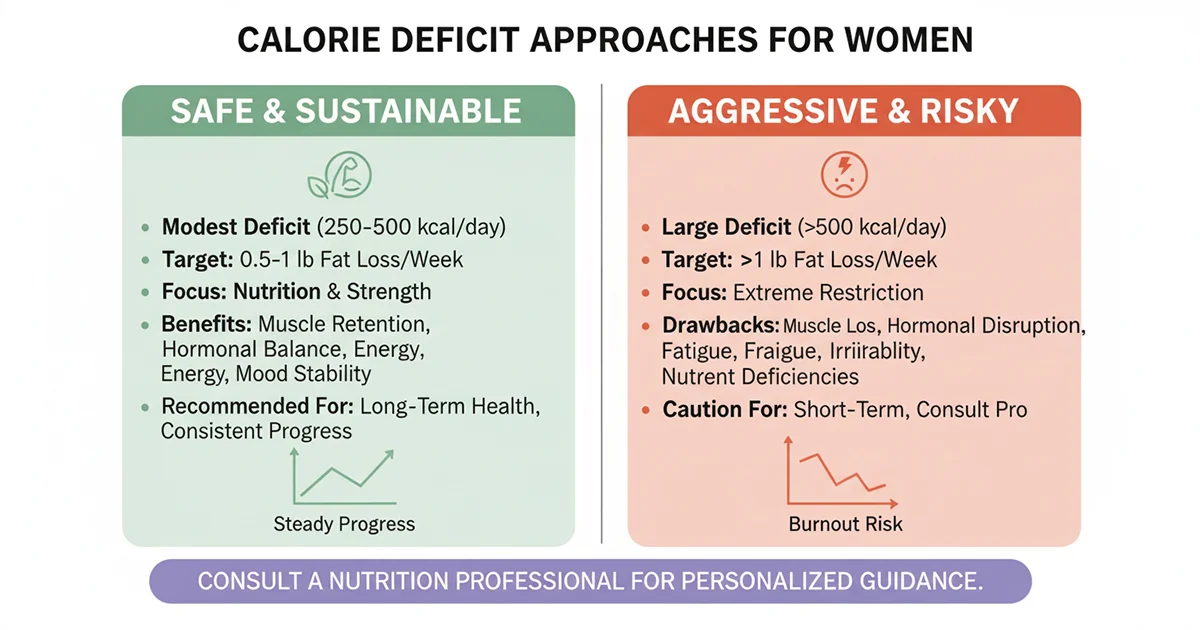
There is no universal “magic number” for a safe calorie deficit because every woman’s body is unique. Factors like your age, activity level, current weight, body composition, and individual metabolic rate all play a role. However, we can talk about a safe range. Generally, a moderate calorie deficit of around 250 to 500 calories below your Total Daily Energy Expenditure (TDEE) is considered safe and effective for most women seeking sustainable fat loss.
This range typically results in a gradual weight loss of about 0.5 to 1 pound per week. While this might seem slow compared to the promises of crash diets, this pace is crucial for:
- Preserving Muscle Mass: A moderate deficit allows your body to primarily burn fat for energy, rather than breaking down valuable muscle tissue.
- Minimizing Metabolic Slowdown: Your body is less likely to perceive a moderate deficit as a threat, reducing the risk of significant metabolic adaptation.
- Ensuring Nutrient Intake: You can still consume enough nutrient-dense foods to meet your vitamin and mineral needs.
- Supporting Hormonal Balance: Less extreme calorie restriction is less likely to disrupt the delicate balance of female hormones.
The Academy of Nutrition and Dietetics consistently advocates for gradual, sustainable weight loss, emphasizing that rapid weight loss is often unsustainable and can lead to nutrient deficiencies and other health problems.
Why Aggressive Deficits Backfire
While the idea of losing weight quickly can be appealing, aggressive calorie deficits (more than 500-750 calories below your TDEE) often lead to:
- Increased Hunger & Cravings: Hormonal responses make it incredibly difficult to stick to.
- Fatigue & Low Energy: Impacting your daily life and exercise capacity.
- Nutrient Deficiencies: Making it hard to get essential vitamins and minerals.
- Muscle Loss: Undermining your metabolism and strength.
- Metabolic Adaptation: Making long-term weight management harder.
Sustainability Emphasis
The best calorie deficit is the one you can stick to consistently over time. This isn’t a sprint; it’s a marathon. A sustainable approach means finding a deficit that allows you to feel good, maintain energy, enjoy your food, and still see progress.
The Mayo Clinic highlights that sustainable weight loss focuses on gradual, steady progress and lifestyle changes rather than drastic, temporary measures. This means listening to your body, adjusting as needed, and prioritizing overall health above a number on the scale.
To help you find your personal safe range, tools like our Calorie Deficit Calculator for Women can be incredibly helpful. These calculators provide an educated starting point, but remember, they are estimates. Your body will give you the most accurate feedback.

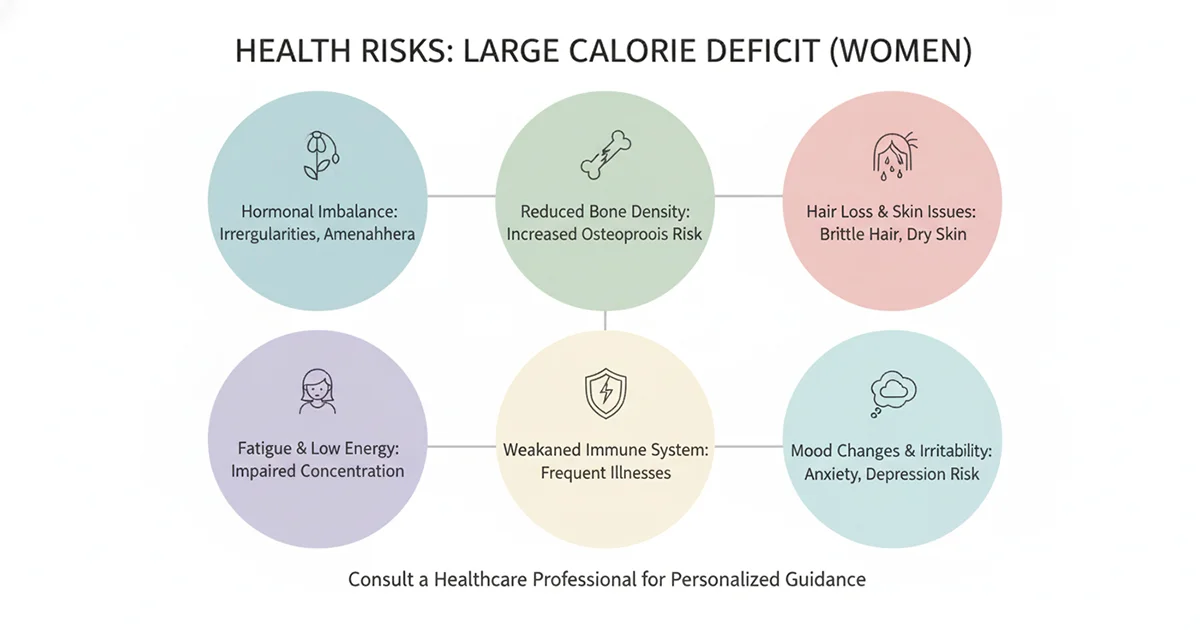
What Happens If the Deficit Is Too Large?
While a moderate calorie deficit can be a powerful tool for fat loss, pushing it too far can have significant negative consequences, particularly for women. Your body is incredibly resilient, but it also has limits. When those limits are tested by an overly aggressive calorie deficit, it can trigger a cascade of undesirable effects.
Hormonal Disruption
As we discussed, women’s bodies are exquisitely sensitive to hormonal balance. An excessive calorie deficit can throw this delicate system into disarray:
- Estrogen Imbalance: Low energy availability can suppress estrogen production, which is crucial for bone health, reproductive function, and overall well-being.
- Thyroid Dysfunction: Your thyroid gland may reduce its production of metabolic hormones (T3 and T4) to conserve energy, leading to a slower metabolism and making further weight loss incredibly difficult.
- Elevated Cortisol: Chronic stress from severe caloric restriction raises cortisol levels. High cortisol promotes abdominal fat storage, breaks down muscle tissue, and can negatively impact mood and sleep.
- Leptin and Ghrelin Resistance: While ghrelin increases and leptin decreases naturally in a deficit, an extreme deficit can cause more profound disruptions, leading to intense, uncontrollable hunger and a reduced feeling of fullness.
The Endocrine Society frequently publishes research emphasizing how energy balance directly impacts endocrine function, highlighting the risks of chronic energy deprivation.
Fatigue, Hair Loss, and Menstrual Changes
These are common red flags that your calorie deficit might be too large or prolonged:
- Chronic Fatigue: Feeling constantly drained, even after adequate sleep. Your body doesn’t have enough energy for basic functions, let alone exercise or daily tasks.
- Hair Loss/Thinning: Hair growth is an energy-intensive process. When your body is starved of sufficient energy and nutrients, it diverts resources away from “non-essential” functions like hair growth, leading to shedding or thinning.
- Menstrual Irregularities (Amenorrhea): One of the most significant indicators of insufficient energy intake for women is the disruption or complete cessation of your menstrual period (functional hypothalamic amenorrhea). This is a clear sign that your body is in survival mode, shutting down reproductive functions to conserve energy. This can have long-term consequences for bone density and fertility.
- Brittle Nails and Dry Skin: Similar to hair, skin and nails require adequate nutrition and energy for health.
The NIH provides extensive information on the link between energy availability, hormonal health, and bone density, particularly in women.
Mental Health Impact
The effects aren’t just physical. An overly restrictive calorie deficit can take a severe toll on your mental and emotional well-being:
- Increased Irritability & Mood Swings: Constant hunger and nutrient deficiencies can make you feel edgy and emotionally volatile.
- Obsession with Food: Restricting too much can lead to thoughts about food dominating your day, often resulting in cycles of restriction and overeating.
- Anxiety & Depression: The chronic stress response, coupled with nutrient imbalances, can exacerbate or trigger symptoms of anxiety and depression.
- Social Isolation: Fear of exceeding calorie limits can lead to avoiding social gatherings centered around food.
It’s crucial to remember that your goal should be holistic health, not just a number on the scale. If you’re experiencing any of these symptoms, it’s a strong signal that your current approach to calorie deficit might be too aggressive and needs to be re-evaluated, potentially with the help of a healthcare professional.
Calorie Deficit vs. TDEE (How They Work Together)
To effectively create a calorie deficit, you first need to understand its partner in crime: your Total Daily Energy Expenditure (TDEE). These two concepts are intrinsically linked, and grasping their relationship is fundamental to any successful and sustainable fat loss strategy.
TDEE Explained Briefly
As mentioned earlier, your TDEE is the total number of calories your body burns in a single day. It’s a comprehensive measure that includes:
- Basal Metabolic Rate (BMR): The calories your body burns at rest to perform vital functions like breathing, circulation, cell production, and maintaining body temperature. This accounts for the largest portion of your TDEE.
- Thermic Effect of Food (TEF): The energy your body uses to digest, absorb, and metabolize the food you eat. Protein has a higher TEF than carbs or fats.
- Non-Exercise Activity Thermogenesis (NEAT): The calories burned through all non-exercise movements, like walking, fidgeting, standing, and even talking.
- Exercise Activity Thermogenesis (EAT): The calories burned through structured exercise, like going to the gym, running, or playing sports.
Your TDEE is not a static number; it changes based on your age, weight, height, body composition, and activity level. This is why using a reliable TDEE Calculator for Women is an excellent starting point.
Why TDEE Comes First
You cannot accurately create a calorie deficit without first knowing your TDEE. Your TDEE is your baseline, the amount of energy your body needs to maintain its current weight. Once you have a solid estimate of your TDEE, you can then subtract a specific number of calories to create your deficit.
For example, if your estimated TDEE is 2,000 calories per day, and you aim for a 500-calorie deficit, you would target consuming 1,500 calories per day. Without knowing that 2,000 baseline, any deficit you attempt to create would be a shot in the dark, increasing the risk of it being either too small (no progress) or too large (negative health consequences).
Why Guessing Calories Fails
Many women start a “diet” by simply cutting out certain foods or drastically reducing their intake without understanding their TDEE. This often leads to:
- Insufficient Deficit: You might be eating less, but still not enough below your TDEE to stimulate consistent fat loss.
- Excessive Deficit: You might be eating far too little, leading to the hormonal disruption, fatigue, and metabolic slowdown discussed earlier.
- Frustration & Giving Up: When efforts don’t yield expected results, or when severe restriction becomes unbearable, it’s easy to get discouraged and abandon your health goals entirely.
By understanding your TDEE, you take the guesswork out of the equation. You gain a scientific framework for managing your energy intake and output, allowing for a more strategic, effective, and sustainable approach to achieving your goals. It empowers you to make informed decisions based on your body’s actual energy needs.
Who Should Not Be in a Calorie Deficit (Mandatory Safety)
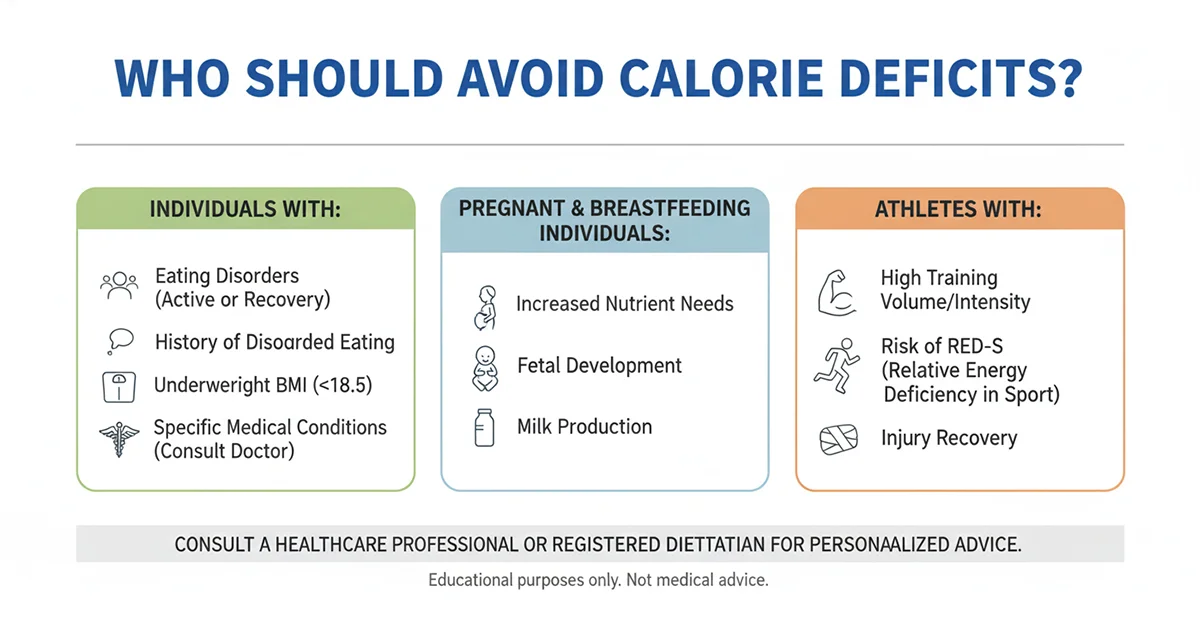
Important Safety Disclaimer: While a calorie deficit can be a healthy tool for some, it is NOT appropriate or safe for everyone. This section outlines critical situations where you should absolutely avoid intentional calorie restriction. Always consult with a healthcare professional or registered dietitian before making significant changes to your diet, especially if you fall into any of the categories below.
Our primary goal is to provide safe, evidence-based guidance. For certain individuals, attempting to create a calorie deficit can be detrimental to health. It’s crucial to understand these circumstances and prioritize your well-being.
Underweight Women
If you are currently underweight (typically defined as a Body Mass Index or BMI below 18.5, though individual assessment is key), a calorie deficit is not appropriate. Your body needs to gain weight, not lose it, to support vital functions and overall health. Intentional calorie restriction in an underweight state can lead to severe health complications, including:
- Compromised immune system
- Hormonal imbalances, including loss of menstruation
- Bone density loss (osteoporosis)
- Heart problems
- Nutrient deficiencies
If you are underweight and concerned about your health, please seek guidance from a doctor or a registered dietitian who can help you safely achieve a healthy weight.
Individuals with a History of Disordered Eating
For anyone with a current or past history of an eating disorder (such as anorexia nervosa, bulimia nervosa, or binge eating disorder), focusing on calorie restriction can be highly triggering and detrimental to recovery. These conditions are complex mental health issues that require professional support, often from a team of specialists including doctors, therapists, and dietitians specializing in eating disorders.
The emphasis in recovery should be on nourishing the body, repairing a healthy relationship with food, and addressing underlying psychological factors, not on calorie counting or restriction. If you suspect you or someone you know has an eating disorder, please reach out for professional help immediately.
Pregnant or Breastfeeding Women
Pregnancy and breastfeeding are periods of increased nutritional demands. Your body requires additional calories and nutrients to support the healthy growth and development of your baby. Attempting a calorie deficit during these times can be harmful, potentially leading to:
- Insufficient weight gain during pregnancy, which is crucial for fetal development
- Reduced milk supply during breastfeeding
- Nutrient deficiencies for both mother and baby
- Increased fatigue and stress for the mother
The CDC and USDA Dietary Guidelines for Americans provide specific recommendations for increased calorie and nutrient intake during pregnancy and lactation. Any weight management during these phases should always be discussed and monitored by your healthcare provider.
This list is not exhaustive, but it covers the most critical scenarios. If you have any underlying health conditions, are on medication, or are unsure if a calorie deficit is right for you, please seek personalized medical advice.
Common Calorie Deficit Myths (Women-Focused)
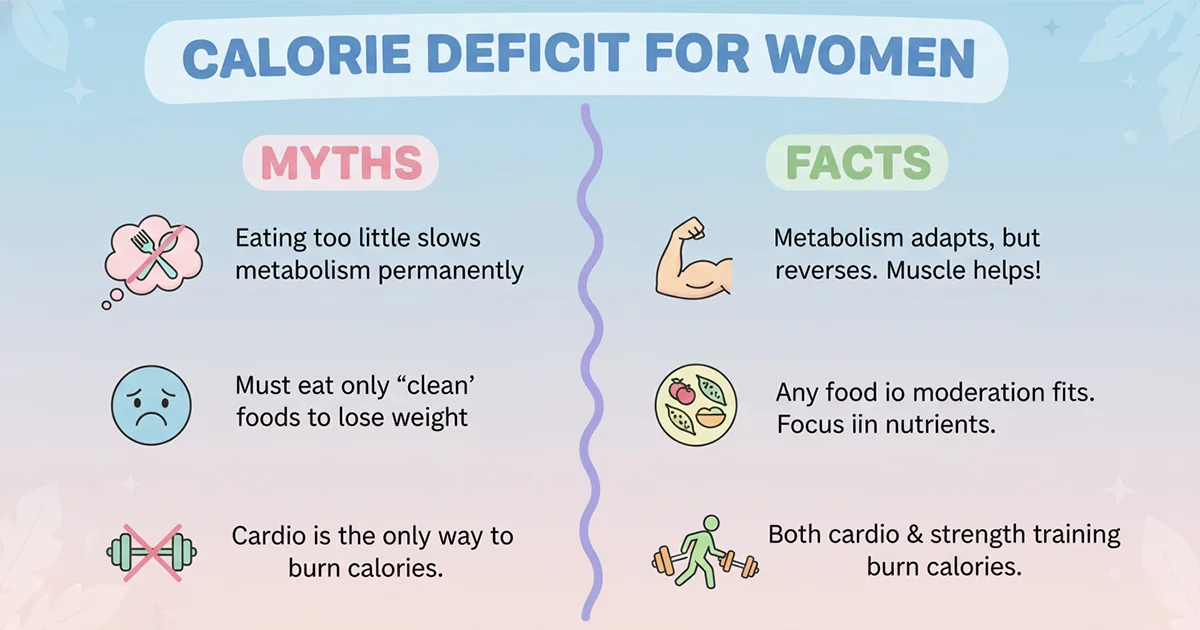
The world of diet and fitness is rife with myths, and calorie deficits are no exception. For women, these myths can be particularly insidious, leading to frustration, health issues, and a distorted view of what it takes to achieve health goals. Let’s debunk some of the most common ones with science.
Myth 1: You MUST Eat 1200 Calories to Lose Weight
Fact: This is perhaps the most pervasive and dangerous myth, especially for women. While 1200 calories might be an appropriate deficit for some very sedentary, petite individuals, it is dangerously low for the vast majority of women. Consuming only 1200 calories a day can lead to:
- Severe Nutrient Deficiencies: Making it nearly impossible to get all the essential vitamins and minerals your body needs.
- Metabolic Slowdown: Your body adapts by drastically reducing its calorie burn, making fat loss stall and weight regain easy.
- Hormonal Disruption: Leading to menstrual irregularities, fatigue, and other severe health issues.
- Uncontrollable Hunger and Bingeing: It’s simply unsustainable for most, leading to a cycle of restriction and overeating.
Your actual calorie needs are highly individual and depend on your TDEE, which is almost certainly higher than 1200 calories if you’re an active adult woman. Always aim for a moderate deficit (250-500 calories below your TDEE) for sustainable and healthy results.
Myth 2: Bigger Deficit = Faster Fat Loss
Fact: While a larger deficit might lead to more rapid initial weight loss, much of that is often water weight and, alarmingly, muscle mass. As we’ve learned, an overly aggressive deficit signals starvation to your body, triggering metabolic adaptation and muscle breakdown.
- Muscle Loss: Reduces your resting metabolic rate, making it harder to lose fat in the long run.
- Rebound Weight Gain: Once you can no longer sustain the extreme deficit, your body is primed to regain weight, often more quickly than it was lost, and often as fat.
Sustainable, moderate deficits prioritize fat loss while preserving muscle, leading to more lasting results. Slow and steady truly wins the race when it comes to healthy body composition changes.
Myth 3: Doing More Cardio Means You Can Eat More
Fact: While cardio does burn calories and contributes to your TDEE, many women overestimate the number of calories they burn during exercise. Exercise machines often inflate calorie burn estimates, and our bodies are incredibly efficient at adapting to cardio, meaning the same workout burns fewer calories over time.
- Overcompensation: Thinking you’ve earned a large treat after a workout can quickly negate any calorie deficit you created.
- “Exercise Hunger”: Intense cardio can sometimes increase appetite, making it harder to stick to your calorie goals.
While cardio is fantastic for cardiovascular health and contributes to overall energy expenditure, it’s generally more effective to create a deficit primarily through dietary adjustments, using exercise as a boost and for its myriad other health benefits. Resistance training, in particular, is crucial for women to build and preserve muscle, which is key for a healthy metabolism.
Understanding these myths allows you to approach your calorie deficit with a clear, realistic, and science-backed perspective, avoiding common pitfalls that derail many women’s health journeys.
FAQ Section
Here are some of the most frequently asked questions about calorie deficits for women, answered with a science-backed approach:
Is a calorie deficit necessary for weight loss?
Yes, for fat loss, a calorie deficit is fundamentally necessary. To lose stored body fat, your body must expend more energy than it consumes, prompting it to tap into those fat reserves. While other factors like macronutrient balance, hormone regulation, and sleep are crucial for optimizing the process and maintaining health, the energy deficit itself is the driving force behind fat loss. Without it, your body won’t have a reason to break down stored fat.
Can a calorie deficit stop periods?
Yes, a calorie deficit that is too large or prolonged can absolutely lead to menstrual irregularities or the complete cessation of periods (amenorrhea). This is a serious sign of insufficient energy availability, indicating your body is under too much stress and is shutting down “non-essential” functions, like reproduction, to conserve energy. This can have long-term consequences for bone density and overall health. If your period becomes irregular or stops while in a deficit, you should immediately increase your caloric intake and consult with a healthcare professional.
Is calorie deficit safe after 40?
Yes, a calorie deficit can be safe and effective for women after 40, but it often requires a more nuanced approach. As women enter perimenopause and menopause, hormonal shifts (especially declining estrogen) can impact metabolism, fat distribution, and muscle mass. You may find your TDEE is lower, meaning your deficit will need to be smaller. Prioritizing protein, strength training, and managing stress becomes even more crucial. Always consult your doctor to ensure your approach aligns with your individual health needs during this phase of life.
How long should women stay in a deficit?
There’s no fixed duration, as it depends on your individual goals, starting point, and how your body responds. However, prolonged, uninterrupted deficits can lead to metabolic adaptation and hormonal issues. Many experts recommend cycles of deficit followed by periods of “maintenance” (eating at your TDEE) to give your body a break, allow hormones to rebalance, and prevent metabolic slowdown. This approach is often more sustainable and effective in the long run. Listening to your body and consulting with a professional are key.
Should the deficit change over time?
Yes, your calorie deficit will almost certainly need to change over time. As you lose weight, your body requires fewer calories to maintain its new, smaller size, meaning your TDEE will decrease. If you continue eating the same amount, your deficit will shrink, and progress may stall. You’ll need to periodically recalculate your TDEE and adjust your calorie intake to maintain an effective deficit. Additionally, as mentioned, cycling in and out of a deficit can be beneficial.
Does metabolism slow in a deficit?
Yes, a decrease in metabolic rate, known as metabolic adaptation, is a natural response to a calorie deficit. Your body is incredibly smart and will try to conserve energy when it perceives a reduction in food intake. This can manifest as a lower BMR. While this is a normal physiological response, it’s more pronounced with aggressive or prolonged deficits. Strategies like strength training (to preserve muscle mass), adequate protein intake, and strategic “diet breaks” can help mitigate the extent of metabolic adaptation.
Conclusion & Final CTA
Navigating the world of calorie deficits for women doesn’t have to be confusing or intimidating. By understanding the unique ways your body responds to energy balance, you can approach your health and fat loss goals with confidence, knowledge, and a commitment to your long-term well-being.
Remember, this isn’t about deprivation; it’s about empowerment through informed choices. We’ve explored how a moderate, sustainable calorie deficit works with your body, not against it. We’ve highlighted the crucial role of hormones, metabolic adaptation, and the menstrual cycle, emphasizing why a woman’s approach needs to be tailored and compassionate. Most importantly, we’ve outlined clear safety parameters and debunked harmful myths, ensuring your journey is grounded in evidence and health.
Your body is an incredible system, and by respecting its intricate workings, you can achieve results that are not only aesthetically pleasing but truly sustainable and health-promoting. Focus on nutrient-dense foods, adequate protein, consistent movement (including strength training!), sufficient sleep, and managing stress. These pillars, combined with a sensible calorie deficit, create the foundation for lasting success.
Ready to take the next step and apply this knowledge to your own journey? Our calculators are designed to give you a personalized starting point: