
Hey there, amazing woman! Have you ever felt like you’re doing everything right for weight loss, but the scale just won’t budge? Or maybe you’ve tried restrictive diets only to feel drained and frustrated? You’re definitely not alone.
So many women, especially here in America, navigate a confusing landscape of diet trends and conflicting advice. But what if there was a science-backed, sustainable way to approach weight loss that truly works for your unique body?
That’s where understanding the calorie deficit diet for women comes in. It’s not about deprivation; it’s about empowerment, learning how to fuel your body intelligently to shed unwanted pounds, boost your metabolism, and feel fantastic.
Forget the fads and quick fixes; we’re diving into a practical, step-by-step guide that respects your body and sets you up for lasting success. Let’s unlock your best self together!
What Does a Calorie Deficit Actually Mean for Women?
Let’s get down to basics. At its heart, a calorie deficit simply means you’re consuming fewer calories (units of energy) than your body burns each day. Your body constantly expends energy for everything from breathing and digestion to walking and working out.
When you consistently eat less energy than your body needs, it taps into stored energy, your fat reserves, to make up the difference. That’s how weight loss happens!
For women, however, approaching a calorie deficit requires a thoughtful touch. Our bodies are incredibly intricate, with hormonal fluctuations and metabolic nuances that can impact how we lose weight. Unlike aggressive, one-size-fits-all diets, a smart calorie deficit for women focuses on:
- Nourishment over Restriction: Ensuring you get vital nutrients even while cutting calories.
- Sustainability: Building habits you can stick with long-term, not just for a few weeks.
- Metabolic Health: Protecting your metabolism rather than slowing it down.
- Hormonal Balance: Supporting your body’s natural rhythms.
This isn’t about “starvation mode” or drastic cuts; it’s about finding that sweet spot where your body effectively uses stored fat for energy while still feeling energized and well-nourished. It’s a journey of self-discovery and health!
Step 1: Calculate Your Baseline – Total Daily Energy Expenditure (TDEE)
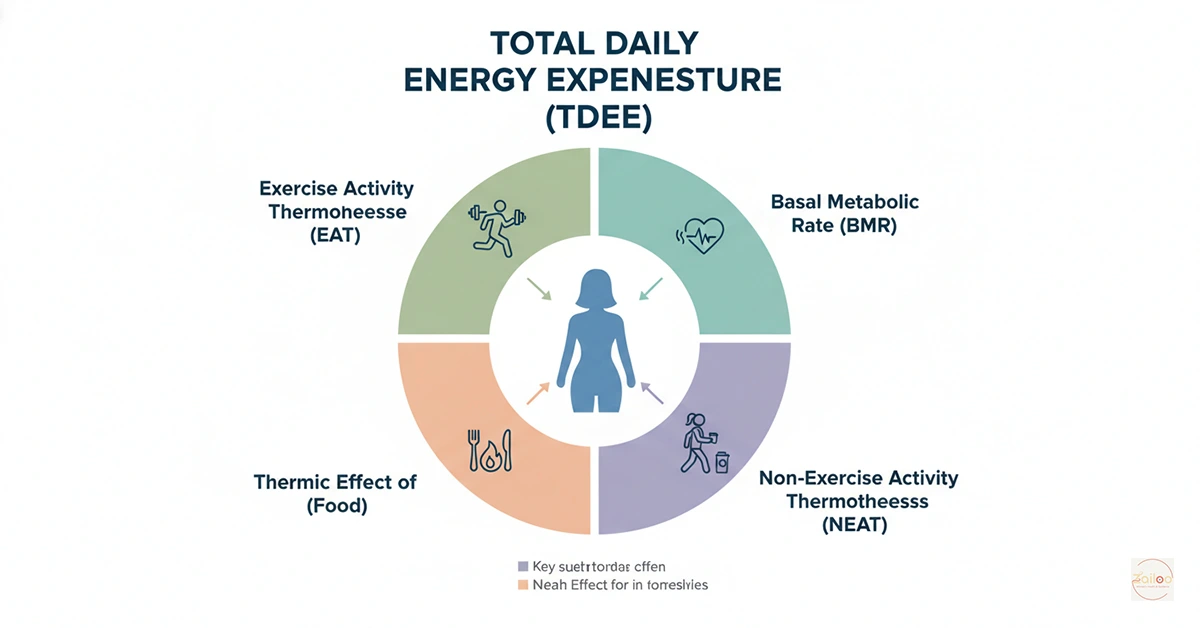
Before you can figure out how much less to eat, you need to know how much energy your body uses right now. This is your Total Daily Energy Expenditure (TDEE) – the total number of calories your body burns in a 24-hour period, including everything you do from sleeping to sprinting. Think of it as your daily calorie “budget.”
How to Calculate Your TDEE
Your TDEE is unique to you and influenced by several factors:
- Basal Metabolic Rate (BMR): The calories your body burns at rest for basic life-sustaining functions (breathing, circulation).
- Non-Exercise Activity Thermogenesis (NEAT): Calories burned from daily movements not considered “exercise” (walking around, fidgeting, cleaning).
- Thermic Effect of Food (TEF): Energy your body uses to digest, absorb, and metabolize food.
- Exercise Activity Thermogenesis (EAT): Calories burned during structured exercise.
Given the complexity, the best way for American women to accurately estimate their TDEE is by using a reliable online calculator. It takes into account your age, weight, height, and activity level to give you a personalized number. Ready to find yours? Use our powerful TDEE Calculator now – it’s your first step toward clarity!
Step 2: Set Your Healthy Calorie Deficit Goal
Once you have your TDEE, it’s time to create your deficit! The golden rule for safe and sustainable weight loss is to aim for losing about 1 to 2 pounds per week. To achieve this, you generally need a daily calorie deficit of 500 to 1000 calories. For example, if your TDEE is 2000 calories, eating 1500 calories would create a 500-calorie deficit.
However, for women, we often recommend starting with a slightly more conservative deficit, typically in the range of 250-500 calories below your TDEE. Why? Because being too aggressive can trick your body into thinking it’s starving, leading to:
- Metabolic Damage: Your metabolism can slow down to conserve energy, making future weight loss harder.
- Muscle Loss: Your body might catabolize precious muscle for energy, which is counterproductive as muscle burns more calories.
- Hormonal Disruption: Severe restriction can throw off your delicate hormonal balance, impacting everything from your mood to your menstrual cycle.
Remember, this is a marathon, not a sprint. Sustainable weight loss is about nourishing your body while gently encouraging it to tap into its fat stores. It’s about feeling good, not deprived!
Step 3: Prioritize Nutrient-Dense Foods for Satiety & Health
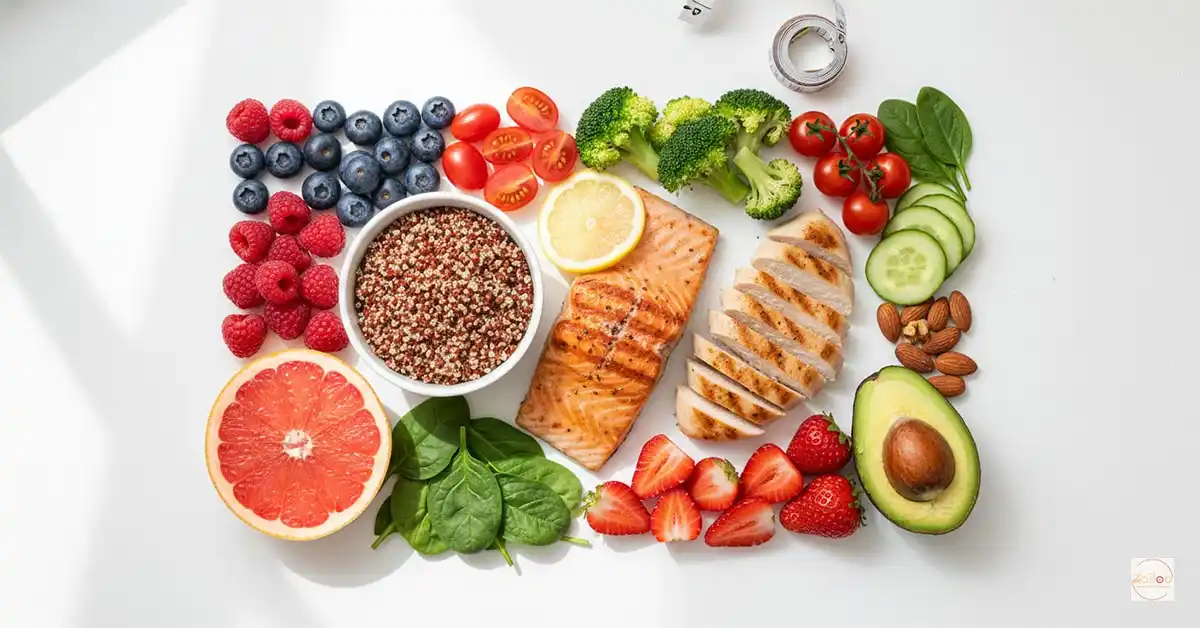
Now, let’s talk about what actually goes on your plate! A calorie deficit diet for women isn’t just about eating less; it’s about eating smarter. Focus on nutrient-dense foods that will keep you feeling full, energized, and satisfied, even with fewer calories. This means choosing whole, unprocessed foods over their refined counterparts.
The Power of Protein: Your Weight Loss Ally
Protein is absolutely essential on a calorie deficit. It helps you:
- Stay Full Longer: Protein has a high satiety factor, meaning it keeps you feeling full and reduces cravings.
- Preserve Muscle Mass: When you lose weight, you want to lose fat, not muscle. Protein helps your body hold onto that valuable muscle tissue.
- Boost Metabolism: Your body uses more energy to digest protein (the thermic effect of food), giving your metabolism a slight edge.
Great Protein Sources for Women: Lean chicken or turkey breast, fish (salmon, tuna), eggs, Greek yogurt, cottage cheese, lentils, beans, tofu.
Fiber-Rich Foods: Your Digestive Dream Team
Fiber is another superstar nutrient that adds bulk to your meals, aiding digestion and contributing to fullness without packing on many calories. It’s like nature’s broom for your gut!
Fantastic Fiber Sources: All vegetables (especially leafy greens, broccoli, bell peppers), fruits (berries, apples, pears), whole grains (oats, quinoa, brown rice), nuts, and seeds.
Healthy Fats in Moderation: Essential for Vitality
Don’t fall into the “no-fat” trap! Healthy fats are crucial for women’s hormonal health, nutrient absorption (especially fat-soluble vitamins A, D, E, K), and even help you feel satisfied. The key is moderation, as fats are calorie-dense.
Smart Healthy Fat Choices: Avocados, olive oil, nuts, seeds (chia, flax), and fatty fish.

Step 4: Master Portion Control & Mindful Eating
Even healthy foods can lead to excess calories if portion sizes aren’t managed. This is where mindful eating comes in – it’s about paying attention to your food, savoring it, and listening to your body’s hunger and fullness cues.
Practical Tips for Portion Control:
- Use a Food Scale: For accuracy, especially when starting, weigh foods like grains, proteins, and nuts.
- Measure: Use measuring cups and spoons for liquids and smaller ingredients.
- Visual Cues: Learn to estimate portion sizes. For example, a serving of protein is roughly the size of your palm; a serving of carbs, your cupped hand.
- Smaller Plates: Using a smaller plate can make a portion look larger, helping with psychological satisfaction.
Embrace Mindful Eating:
Eating mindfully can dramatically impact your calorie intake and satisfaction:
- Slow Down: Chew slowly and truly taste your food. It takes about 20 minutes for your brain to register fullness.
- Eliminate Distractions: Turn off the TV, put away your phone. Focus solely on your meal.
- Listen to Your Body: Eat when you’re hungry, stop when you’re satisfied (not stuffed).

Step 5: Incorporate Effective Exercise for Women
While a calorie deficit is built primarily in the kitchen, exercise is your powerful ally in accelerating results, building a stronger body, and boosting your metabolism. It’s not just about burning calories during your workout; it’s about transforming your body’s composition.
Strength Training for Metabolic Boost
Ladies, don’t shy away from weights! Strength training is incredibly beneficial for women. It helps you:
- Build Lean Muscle: More muscle means a higher resting metabolism, so your body burns more calories even when you’re not exercising.
- Reshape Your Body: It tones and strengthens, giving you a leaner, more sculpted physique.
- Boost Bone Density: Crucial for women’s long-term health.
Aim for 2-3 full-body strength training sessions per week. You can use free weights, resistance bands, or even just your body weight! According to ACE Fitness, strength training is vital for overall health and managing weight effectively.
Cardio for Heart Health & Calorie Burn
Cardiovascular exercise is fantastic for your heart, lungs, and burning calories during your workout. It provides a great complement to strength training.
Ideas: Brisk walking, jogging, cycling, swimming, dancing, or energetic group classes. Find something you genuinely enjoy to make it sustainable!
Step 6: Stay Hydrated & Manage Hunger
It sounds simple, but proper hydration is a game-changer for weight loss and overall well-being. Often, our bodies confuse thirst signals with hunger signals. Reaching for water instead of a snack can save you hundreds of calories!
Tips for Optimal Hydration:
- Start Your Day with Water: A glass first thing in the morning can kickstart your metabolism and hydration.
- Carry a Water Bottle: Keep it handy throughout the day as a constant reminder.
- Drink Before Meals: A glass of water 15-30 minutes before eating can help you feel fuller.
- Infuse Your Water: Add lemon, cucumber, or berries for a refreshing twist if plain water gets boring.
Smart Snacking on a Deficit:
When true hunger strikes between meals, choose wisely! Opt for high-protein, high-fiber, low-calorie options to keep you satisfied:
- A handful of almonds or walnuts
- Greek yogurt with a few berries
- Vegetable sticks with hummus
- Hard-boiled egg
Step 7: Address Common Challenges (Hormones, Stress & Plateaus)
The journey to weight loss isn’t always a straight line, especially for women. You might encounter specific hurdles, but with awareness and strategies, you can overcome them!
Hormonal Harmony: Understanding Your Body’s Rhythms
Women’s hormones play a significant role in appetite, metabolism, and body composition. Fluctuations due to menstrual cycles, perimenopause, menopause, or conditions like PCOS can make weight loss feel more challenging. Be patient with your body; some days might feel harder than others. Focus on consistent healthy habits rather than daily scale fluctuations. Understanding your unique body is key!
Stress & Emotional Eating: Finding Healthier Coping Mechanisms
Life throws curveballs, and for many women, stress, boredom, or sadness can trigger emotional eating. Recognizing these triggers is the first step. Instead of reaching for comfort food, try non-food coping strategies:
- Go for a brisk walk or do some gentle stretching.
- Call a friend or family member.
- Listen to music or read a book.
- Practice mindfulness or meditation for a few minutes.
Breaking Plateaus: What to Do When Weight Loss Stalls
It’s completely normal for weight loss to slow down or hit a “plateau.” Don’t get discouraged! Your body is simply adapting. Here’s what you can do:
| Challenge | Action for Women |
|---|---|
| Stalled Progress | Re-evaluate your calorie tracking for hidden calories, slightly adjust your deficit (down or up for a “diet break”), or switch up your exercise routine. |
| Increased Hunger | Focus on increasing protein and fiber. Ensure adequate hydration. Consider slightly reducing your deficit. |
| Low Energy | Check your sleep quality. Ensure you’re not in too steep a deficit. Prioritize whole, unprocessed foods. |
People Also Ask (PAA) – Key Questions for Women
Q: What is a good calorie deficit for a woman?
A: Generally, a healthy and sustainable calorie deficit for a woman ranges from 250 to 500 calories below her Total Daily Energy Expenditure (TDEE). This typically allows for a safe weight loss of 0.5 to 1 pound per week, which is more likely to be fat loss and more sustainable long-term. Going significantly lower can negatively impact metabolism and hormonal health.
Q: Is 1200 calories a day good for a woman to lose weight?
A: For most adult women, a 1200-calorie diet is too restrictive and often not recommended without professional medical supervision. It can lead to nutrient deficiencies, extreme fatigue, metabolic slowdown, and potential hormonal imbalances. It’s generally challenging to meet all nutritional needs on such a low intake. Always prioritize a deficit that allows for adequate nourishment.
Q: How many calories should a woman eat to lose weight without exercise?
A: To lose weight without exercise, a woman still needs to be in a calorie deficit relative to her Basal Metabolic Rate (BMR) and Non-Exercise Activity Thermogenesis (NEAT). Her specific calorie intake would depend on her TDEE (which will be lower without dedicated exercise). A common starting point is to aim for 250-500 calories below this calculated TDEE, ensuring she prioritizes nutrient-dense foods to maintain energy and muscle mass.
Q: What is a healthy calorie deficit to lose 2 pounds a week?
A: To lose 2 pounds per week, you typically need to create a daily calorie deficit of approximately 1000 calories (since 3500 calories equals 1 pound of fat, 7000 calories for 2 pounds). While this can be achieved by some, particularly individuals with higher starting TDEEs, it can be quite aggressive for many women and might verge into the “too low” category. It’s crucial to ensure you’re still meeting your nutritional needs and not experiencing negative side effects. Consulting a professional is highly recommended for such a deficit.
Q: How can I cut 500 calories a day?
A: Cutting 500 calories a day can be achieved through a combination of dietary adjustments and increased activity:
- Diet: Eliminate sugary drinks, reduce portion sizes of high-calorie foods, swap processed snacks for fruits/vegetables, reduce consumption of sauces/condiments, choose leaner protein sources.
- Activity: Add a brisk 30-minute walk, incorporate 15-20 minutes of moderate-intensity exercise, take the stairs instead of elevators.
Even small changes consistently add up to a significant deficit!
FAQs: Your Burning Questions Answered
Q: Can I build muscle while in a calorie deficit?
A: Yes, it’s possible, especially for beginners or those returning to strength training! This process is often called “body recomposition.” While building significant muscle mass in a large deficit is challenging, a moderate deficit combined with consistent protein intake and strength training can help you gain muscle while losing fat simultaneously. This is fantastic for boosting your metabolism long-term!
Q: How long should I stay in a calorie deficit?
A: There’s no fixed duration. It depends on your individual goals and how your body responds. Many experts recommend focusing on periods of deficit (e.g., 8-12 weeks) followed by “diet breaks” at maintenance calories for 1-2 weeks. This can help prevent metabolic adaptation and offer a mental break. Listen to your body and consult a professional for personalized timelines.
Q: What are the signs my calorie deficit is too low?
A: Pay close attention to these warning signs:
- Persistent, extreme fatigue and lack of energy
- Irritability, mood swings, or difficulty concentrating
- Constant, insatiable hunger
- Hair loss or brittle nails
- Irregular or missed menstrual periods (for pre-menopausal women)
- Frequent illness due to a weakened immune system
If you experience these, your deficit might be too aggressive, and it’s time to re-evaluate your intake, potentially increasing calories slightly.
Q: Do I need to track calories forever?
A: Not necessarily! Calorie tracking is a powerful tool to build awareness and understanding of what you’re eating. Once you’ve developed a good sense of portion sizes, calorie counts of common foods, and how different foods impact your satiety and energy, you can transition to a more intuitive eating approach. Many women find that tracking for a few months provides invaluable education they can carry forward.
Q: How does age affect a woman’s calorie deficit needs?
A: As women age, particularly after 30 and especially around menopause, metabolism tends to slow down due to various factors, including muscle loss and hormonal changes. This means your TDEE will likely decrease. Consequently, to create a calorie deficit, an older woman might need a slightly lower calorie intake or increased activity compared to her younger self to achieve the same weight loss results. Prioritizing strength training becomes even more crucial to combat age-related muscle loss.
Conclusion: Embrace Your Sustainable Calorie Deficit Journey
Taking control of your health and weight loss journey is an incredibly empowering step, and understanding the calorie deficit diet for women is your blueprint for success.
Remember, this isn’t about perfection; it’s about progress, consistency, and nurturing your body with respect and intelligence.
You now have the 7 proven steps to navigate this path effectively, from calculating your unique needs to making smart food choices and overcoming common hurdles.
Embrace the process, be patient with yourself, and celebrate every small victory. Your body is amazing, and with the right strategy, you can achieve the healthy, vibrant life you deserve.
We’re here to support you every step of the way!
Important Disclaimer: This article offers general information and educational content on calorie deficit diets for women. It is not a substitute for personalized medical or nutritional advice. Always consult with a qualified healthcare provider, registered dietitian, or physician before starting any new diet, exercise program, or making significant changes to your health regimen. Your individual needs and health conditions may vary.
Ready to put these steps into action and unlock your potential? Calculate your personalized calorie deficit now with our Calorie Deficit Calculator and take the first empowered step towards a healthier, happier you!