
You’re starving at 3 p.m. You’ve already hit your calorie goal for the day. The vending machine is right there, and honestly, that bag of Doritos is looking way too good right now.
Sound familiar? Yeah, me too.
Here’s the thing: most snacks fail you in one of two ways. They’re either loaded with calories that blow your budget before dinner, or they’re so low in everything that you’re hungry again 45 minutes later. Finding snacks that are actually high in protein and low in calories feels like searching for a unicorn.
But they exist. I promise.
✓ Quick Answer
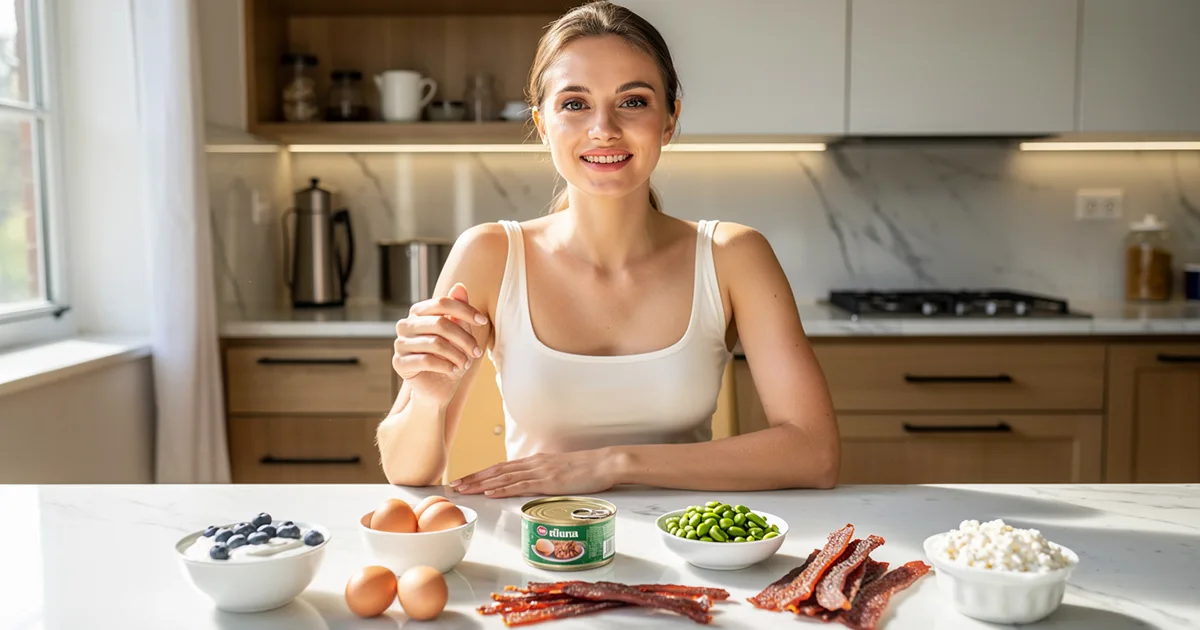
The best high protein low calorie snacks include Greek yogurt, cottage cheese, hard-boiled eggs, canned tuna, edamame, and turkey jerky, most delivering 10–25g of protein for under 200 calories. These options keep you full, support muscle maintenance, and fit easily into any calorie-controlled eating plan.
In this guide, I’m breaking down 20 of the best high protein low calorie snacks available in 2026, with real numbers from USDA FoodData Central, honest cost breakdowns, and zero marketing fluff. By the end, you’ll know exactly what to grab, how much protein you’re getting, and how to make it stick long-term.
Let’s get into it.
Why High Protein Low Calorie Snacks Actually Matter for Your Goals
✓ Quick Answer
Protein is the most satiating macronutrient, it keeps you fuller per calorie than carbs or fat. High protein low calorie snacks help control hunger, preserve muscle during weight loss, and support better body composition without blowing your calorie budget.
Look, if you’re going to snack, and you will, because you’re human, you might as well make it work for you instead of against you.
Protein does something that carbs and fat just don’t. It triggers satiety hormones like GLP-1 and PYY while actually suppressing ghrelin, which is the hormone responsible for making you feel hungry. Basically, protein tells your brain “hey, we’re good here” in a way that a handful of pretzels never will.
There’s also the thermic effect to consider. Your body burns roughly 20–30% of protein calories just through digestion, compared to only 5-10% for carbohydrates, according to research published by the National Institutes of Health. So a 100-calorie protein snack effectively “costs” your body fewer net calories than a 100-calorie carb snack. That math adds up.
And if you’re in a calorie deficit, whether for weight loss or body recomposition, protein becomes even more critical. Without enough of it, your body starts pulling from muscle tissue for energy instead of stored fat. That’s the last thing you want.
How Much Protein Do You Actually Need Per Snack?
Honestly, you don’t need a massive hit. Research consistently shows that 10–20g of protein per snack is the sweet spot for meaningful satiety and muscle protein synthesis support. Below 10g is fine, but you probably won’t feel the difference. Above 30–40g at once offers diminishing returns, since the body can only utilize so much protein in a single sitting.
For most people, aiming for snacks with at least 10g of protein and under 200 calories is a reliable, realistic target.
The Protein-to-Calorie Ratio: What to Look For
Here’s a simple formula worth remembering: multiply your snack’s protein grams by 4 (since protein = 4 calories per gram), divide by total calories, and multiply by 100. That gives you the percentage of calories coming from protein. Aim for 30% or higher in snacks you’re relying on for satiety.
For example: A 100-calorie snack with 17g protein → (17 × 4) ÷ 100 × 100 = 68% protein calories. That’s excellent.

If you’re looking to build more structure around your protein intake beyond snacks, our high protein low calorie meals guide is a great next read.
How We Chose These 20 High Protein Low Calorie Snacks
✓ Quick Answer
Every snack on this list was chosen based on four criteria: at least 10g of protein per serving, under 200 calories, available at major US grocery stores, and made with reasonably clean ingredients. All nutritional data is sourced directly from USDA FoodData Central.
Not every snack with “high protein” on the label earns the title. Walk down any grocery aisle and you’ll find “high protein” cookies with 7g of protein and 280 calories. That’s not high protein. That’s just marketing.
Here’s how I filtered the list down to snacks that actually deliver.
What Counts as “High Protein”?
For this list, high protein means at least 10g of protein per standard serving. Some entries exceed 20g. I used the FDA’s definition of a “good source of protein” (10–19% of the daily value) as a baseline and applied the stricter threshold because, real talk, 5g of protein in a snack isn’t moving the needle for most people.
What Counts as “Low Calorie”?
Low calorie, for our purposes, means 200 calories or fewer per serving. Many entries come in well under 150 calories. I excluded anything that required stretching the definition or manipulating serving sizes to qualify.
Selection criteria applied to every snack:
- ✅ At least 10g protein per serving
- ✅ 200 calories or fewer per serving
- ✅ Available at Walmart, Target, Kroger, Costco, or Trader Joe’s
- ✅ Ingredient quality: No snacks where the protein comes primarily from collagen (an incomplete protein that doesn’t support muscle synthesis the way whole protein does)
- ✅ Serving sizes reflect the USDA FoodData Central standard serving
I also excluded anything you’d only find at a specialty health store or that requires ordering online. If you can’t grab it during a regular grocery run, it doesn’t belong on a practical list.
All nutritional values below come directly from USDA FoodData Central, the gold standard for US food composition data.

The 20 Best High Protein Low Calorie Snacks (Ranked and Rated)
✓ Quick Answer
The top high protein low calorie snacks in 2026 include Greek yogurt, cottage cheese, canned tuna, hard-boiled eggs, edamame, shrimp, turkey jerky, skyr, smoked salmon, and baked tofu, each delivering strong protein-to-calorie ratios verified by USDA nutritional data.
Here they are. Every entry includes calories, protein per serving, a practical use case, and an honest opinion. No fluff.
Master Comparison: 20 High Protein Low Calorie Snacks
| # | Snack | Calories | Protein | Cost/Serving* | Prep Required |
|---|---|---|---|---|---|
| 1 | Greek Yogurt (non-fat, plain, 6 oz) | 100 | 17g | $0.50–$0.80 | No |
| 2 | Cottage Cheese (low-fat, ½ cup) | 90 | 12g | $0.40–$0.60 | No |
| 3 | Hard-Boiled Eggs (2 eggs) | 156 | 12g | $0.50–$0.80 | Minimal |
| 4 | Canned Tuna in Water (3 oz) | 109 | 25g | $0.50–$0.80 | No |
| 5 | Edamame, shelled (½ cup) | 120 | 11g | $0.50–$0.75 | Minimal |
| 6 | Turkey Jerky (1 oz) | 70 | 11g | $1.00–$1.50 | No |
| 7 | Low-Fat String Cheese (2 sticks) | 100 | 12g | $0.50–$0.70 | No |
| 8 | Roasted Chickpeas (1 oz) | 120 | 6g | $0.40–$0.60 | No |
| 9 | Low-Fat Ricotta (¼ cup) | 85 | 7g | $0.50–$0.70 | No |
| 10 | Shrimp, cooked (3 oz) | 84 | 18g | $1.00–$1.50 | No |
| 11 | Non-Fat Skyr (5.3 oz) | 100 | 17g | $0.80–$1.20 | No |
| 12 | Egg White Bites (2 bites) | 80 | 10g | $0.80–$1.00 | Minimal |
| 13 | Smoked Salmon/Lox (2 oz) | 99 | 15g | $1.50–$2.00 | No |
| 14 | Pumpkin Seeds (1 oz) | 126 | 5g | $0.40–$0.60 | No |
| 15 | Baked Tofu (3 oz) | 90 | 10g | $0.50–$0.80 | Yes |
| 16 | Deli Turkey Slices (2 oz) | 60 | 10g | $0.50–$0.80 | No |
| 17 | Protein Pudding (1 cup) | 120 | 15g | $1.50–$2.50 | No |
| 18 | Nonfat Kefir Plain (1 cup) | 110 | 11g | $0.60–$0.90 | No |
| 19 | Lupini Beans (1 oz) | 70 | 8g | $0.60–$1.00 | No |
| 20 | Canned Sardines in Water (3.75 oz) | 130 | 23g | $0.50–$1.00 | No |
*Estimated US retail pricing based on Walmart/Kroger 2026 prices. Bulk warehouse pricing (Costco/Sam’s Club) will be lower.
Now let’s break each one down.
1. Greek Yogurt (Non-Fat, Plain)
~100 calories | ~17g protein per 6 oz serving
In my experience, non-fat plain Greek yogurt is the single most versatile high protein low calorie snack you can keep in your fridge. According to USDA FoodData Central, a 6-oz serving delivers approximately 17g of protein for just 100 calories, that’s a 68% protein calorie ratio. Impressive.
Best for: Breakfast snack, late-night sweet tooth, dip base, smoothie booster. Add a drizzle of honey and some berries for under 150 calories total.
Trust me on this, buy the big container, not the individual cups. You’ll pay half the price and eat the same thing.
2. Cottage Cheese (Low-Fat)
~90 calories | ~12g protein per ½ cup
Cottage cheese had a moment on TikTok in 2024, and honestly, the hype was deserved. I used to think it was a sad diet food from the 1980s; I was wrong. Low-fat cottage cheese delivers roughly 12g of protein for about 90 calories, per USDA data.
Best for: Late-night snacking (its casein protein digests slowly overnight, supporting muscle recovery while you sleep), savory bowls with cucumber and dill, or sweet versions with peaches and cinnamon.
3. Hard-Boiled Eggs
~78 calories | ~6g protein per egg (12g for two)
Two hard-boiled eggs give you approximately 156 calories and 12g of complete, bioavailable protein, all 9 essential amino acids covered. The American Journal of Clinical Nutrition has noted eggs as one of the highest-quality protein sources available.
Best for: Meal prep (batch cook 12 on Sunday, they last 7 days peeled and refrigerated), quick grab-and-go, salad topper.
Zero cooking required if you’ve prepped them ahead. Zero.
4. Canned Tuna in Water
~109 calories | ~25g protein per 3 oz can
Here’s the thing, pound for pound, canned tuna in water is one of the most protein-dense foods on the planet. A single 3-oz can delivers roughly 25g of protein for 109 calories, according to USDA FoodData Central. That’s an extraordinary ratio.
Best for: Desk lunch, post-workout recovery, quick protein hit without cooking.
Go for tuna packed in water, not oil; the oil version adds unnecessary calories without adding protein. Tuna pouches (not cans) are also great for travel since there’s no draining required.
5. Edamame (Shelled, Steamed)
~120 calories | ~11g protein per ½ cup
Edamame is one of the rare plant foods that provides a complete protein, meaning it contains all 9 essential amino acids. That matters, especially for vegetarians and vegans trying to hit protein targets. According to the USDA, a ½ cup of shelled, steamed edamame delivers about 11g of protein for 120 calories.
Best for: Afternoon snack, plant-based protein source, office snacking (buy frozen, microwave, season with sea salt).
6. Turkey Jerky
~70 calories | ~11g protein per oz
Turkey jerky is your best friend for travel, long drives, and situations where refrigeration isn’t an option. About 11g of protein for only 70 calories per ounce incredible ratio for a shelf-stable snack.
The catch? Sodium. Many jerky brands pack 400–700mg of sodium per serving. Look for brands that stay under 400mg and keep the ingredient list short. Real talk, the simpler the ingredient list, the better the product usually is.
Best for: Road trips, gym bags, office desk drawer, hiking.
7. Low-Fat String Cheese (Two Sticks)
~50 calories per stick | ~6g protein per stick
Two sticks of low-fat string cheese = 100 calories and 12g of protein. They’re portable, require no prep, and kids love them (which is a bonus if you’re snack-prepping for the whole family). Pair them with a piece of fruit, an apple or some grapes, and you’ve got a satisfying 150-calorie snack with solid protein.
Best for: School lunches, desk snacking, pairing with produce, on-the-go.
8. Roasted Chickpeas
~120 calories | ~6g protein per oz
Look, roasted chickpeas aren’t the highest protein snack on this list. But they are the best crunchy replacement for chips. If the crunch factor is what sends you to the vending machine, these are your solution. They’re also high in fiber, which supports satiety even when the protein content is moderate.
Best for: Replacing potato chips, afternoon crunch fix, salad topper, trail mix addition.
Buy them at Trader Joe’s or roast your own from a can of chickpeas, seasoning with smoked paprika, cumin, and garlic powder is my personal recommendation.
9. Low-Fat Ricotta Cheese
~85 calories | ~7g protein per ¼ cup
Underrated. Truly. Low-fat ricotta is creamy, mild, and incredibly versatile. It doesn’t hit the 10g protein threshold per ¼ cup on its own, but pair it with something like a slice of deli turkey and you’re there easily. I’ve found that a small bowl of ricotta with a drizzle of raw honey and some sliced strawberries feels genuinely indulgent for under 150 calories.
Best for: Dessert-style snack, savory dip base, pasta topping substitute.
10. Shrimp (Cooked, Chilled)
~84 calories | ~18g protein per 3 oz
Shrimp might be the most underused snack on this entire list. According to USDA data, 3 oz of cooked, chilled shrimp delivers approximately 18g of protein for only 84 calories. The protein-to-calorie ratio here is exceptional, second only to canned tuna on this list.
Best for: Protein-dense meal prep, cocktail shrimp from the grocery store seafood section (already cooked and ready to eat), post-workout recovery.
Grab a bag of pre-cooked cocktail shrimp from the seafood section. Dip it in cocktail sauce (watch the sugar content) and you have a snack that feels fancy for about $2.
11. Non-Fat Skyr (Icelandic Yogurt)
~100 calories | ~17g protein per 5.3 oz
If you haven’t tried skyr yet, think of it as Greek yogurt’s denser, creamier Icelandic cousin. The macros are nearly identical, roughly 17g of protein per 5.3-oz serving for about 100 calories, but the texture is thicker and many people prefer the milder, less tangy flavor.
Best for: Greek yogurt alternative, topping with granola and berries, using as a sour cream substitute in recipes.
Siggi’s is the most widely available brand in the US, found at most major grocery chains including Target and Whole Foods.
12. Egg White Bites / Mini Egg Muffins
~80 calories | ~10g protein per 2 bites
These are maybe the ultimate meal-prep snack. Bake a batch of mini egg muffins on Sunday, eggs, spinach, bell peppers, a little low-fat cheese, and you’ve got 12 snacks ready for the week. Each two-bite serving runs about 80 calories and 10g of protein.
Best for: Meal prep, portable breakfast snack, office refrigerator snacking.
They reheat in 30 seconds in the microwave. Starbucks sells a version too, though making them at home costs a fraction of the price.
13. Smoked Salmon / Lox
~99 calories | ~15g protein per 2 oz
Smoked salmon is genuinely one of the most elegant snacks on this list, and it earns its spot nutritionally too. About 15g of protein for 99 calories, per USDA FoodData Central, plus a solid dose of omega-3 fatty acids.
Best for: Elevated snacking moment, pairing with cucumber slices and a small amount of cream cheese (adds minimal calories), high-protein alternative to chips and dip.
A 2 oz serving of smoked salmon + 4 cucumber slices + 1 tsp light cream cheese = approximately 130 calories total and 16g of protein. That is genuinely satisfying.
14. Pumpkin Seeds (Pepitas, Dry Roasted)
~126 calories | ~5g protein per oz
Pumpkin seeds are the only snack on this list that doesn’t hit the 10g protein threshold solo, but they make the cut because they combine decent protein with high fiber, magnesium (important for active people), and a satisfying crunch. They also pair well with several higher-protein items to create complete snack combos.
Best for: Trail mix base, salad topper, desk snack for the afternoon energy dip.
15. Tofu Cubes (Firm, Baked or Air-Fried)
~90 calories | ~10g protein per 3 oz
Baked or air-fried firm tofu is the plant-based snacker’s best friend. According to USDA data, 3 oz delivers roughly 10g of protein for about 90 calories. Season with soy sauce, garlic powder, and a little sesame oil, then air fry for 15 minutes at 375°F. Seriously, it’s good. I was skeptical too.
Best for: Plant-based eaters, meal prep, snacking straight from the fridge.
16. Deli Turkey Slices (Low-Sodium)
~60 calories | ~10g protein per 2 oz
This is the snack I reach for when I need something right now with zero prep involved. Two ounces of low-sodium deli turkey delivers approximately 10g of protein for only 60 calories. Roll slices around pickle spears for a satisfying, almost zero-carb snack that takes 30 seconds to assemble.
Best for: Quick protein hit, wrap filling, zero-carb snack option.
Watch the sodium, look for options under 400mg per 2 oz serving.
17. Protein Pudding (Low-Calorie, Store-Bought)
~100–140 calories | ~15g protein per cup
Protein pudding has come a long way from the chalky, weird-tasting versions from 10 years ago. Brands like Oikos Pro and similar products now deliver roughly 15g of protein for 100–140 calories with genuinely good flavor.
Best for: Dessert-style snack, sweet cravings, post-dinner chocolate fix.
Always check the label, protein content and calorie counts vary significantly by brand. A couple of brands market themselves as “high protein” while delivering only 8–10g, which is fine but not exceptional.
18. Nonfat Kefir (Plain)
~110 calories | ~11g protein per cup
Kefir is essentially drinkable yogurt with a probiotic bonus. Plain nonfat kefir delivers about 11g of protein per cup for roughly 110 calories. The probiotic content supports gut health, which research increasingly links to appetite regulation and metabolic health.
Best for: Drinkable on-the-go snack, smoothie base, double-duty protein and probiotic hit.
19. Lupini Beans
~70 calories | ~8g protein per oz
Lupini beans are having a serious 2026 moment. These Italian-style legumes deliver about 8g of protein for only 70 calories, with an impressive fiber content that amplifies satiety well beyond what the protein number alone suggests. They’re increasingly available at Whole Foods, Target, and even Amazon.
Best for: Mediterranean diet-aligned snacking, plant-based protein, unique texture experience.
They come pre-brined and ready to eat straight from the package. Surprisingly satisfying once you try them.
20. Canned Sardines in Water
~130 calories | ~23g protein per 3.75 oz can
I know, I know. Hear me out. Canned sardines in water deliver approximately 23g of protein for about 130 calories, one of the highest protein-to-calorie ratios on this entire list. They’re also packed with omega-3s, calcium, and vitamin D, making them nutritionally dense in a way few snacks match.
Best for: Budget-conscious protein snacking, adventurous eaters, omega-3 intake.
Polarizing? Yes. Worth trying anyway? Absolutely. Start with sardines packed in mustard or hot sauce if plain sounds too intimidating.

Store-Bought vs. Homemade: Which High Protein Low Calorie Snacks Are Worth Making?
✓ Quick Answer
Store-bought options win on convenience, but homemade high protein snacks typically cost 40–60% less per serving and give you full control over ingredients. The smartest approach is keeping 2–3 shelf-stable store-bought options stocked while batch-prepping 1–2 homemade options each week.
Convenience is real. But so is the markup.
A single-serve Greek yogurt cup at a convenience store might cost $3.50. The same yogurt from a large Costco container? About $0.50 per serving. That’s the same food. Seven times the price.
Real talk, I’m not suggesting you make everything from scratch. That’s unrealistic. But understanding where the markup is worst helps you make smarter choices.
Best Store-Bought High Protein Snack Brands in 2026
These brands consistently deliver solid protein, reasonable ingredients, and wide availability at major US retailers:
- Siggi’s Skyr: Available at Target, Whole Foods, Kroger; one of the cleanest labels in dairy snacking
- Chomps Turkey Sticks: Whole30-compliant, under 90 calories, available at Target and Costco
- Dang Bars: Plant-based, 10g+ protein, available at Whole Foods and online
- Oikos Pro: Widely available protein yogurt at Walmart, Target, Kroger
- Starkist Tuna Pouches: No can opener required, great for travel, available almost everywhere
3 Easy Homemade High Protein Snacks You Can Batch Prep Sunday
1. Mini Egg Muffins Whisk 8 eggs with a splash of milk, pour into a greased mini muffin tin with your choice of vegetables and a small amount of low-fat cheese, bake at 350°F for 18 minutes. Makes 24 mini muffins (~2g protein, ~25 calories each). Two = a solid 50-calorie, 4g protein snack. Four = 100 calories, 8g protein. Six = 150 calories, 12g protein. Customize the math to your needs.
2. Batch Hard-Boiled Eggs Cover eggs with cold water, bring to a boil, turn off the heat, let sit 10–12 minutes, ice bath. Done. Twelve eggs prepped in under 20 minutes. They last up to a week peeled and refrigerated.
3. Baked Tofu Cubes Press a block of firm tofu, cube it, toss with 1 tbsp soy sauce + garlic powder + a tiny bit of sesame oil, air fry at 375°F for 15 minutes. One batch makes 4–6 snack portions. Cost? About $0.60 per serving.
| Snack | Store-Bought Cost | Homemade Cost | Savings |
|---|---|---|---|
| Greek Yogurt (6 oz) | $1.50–$3.50 | $0.40–$0.80 | 50–75% |
| Egg Muffins (2 bites) | $2.50–$3.50 | $0.40–$0.60 | 70–85% |
| Hard-Boiled Eggs (2) | $1.50–$2.50 | $0.50–$0.80 | 60–70% |
| Baked Tofu (3 oz) | $2.00–$3.00 | $0.50–$0.80 | 65–75% |
| Protein Pudding (1 cup) | $2.50–$4.00 | $0.80–$1.20 | 65–75% |
Prices based on US retail and bulk warehouse pricing, 2026 estimates.
For more ideas on putting these snacks into full meals, check out our easy low calorie meals guide for practical inspiration.
[IMAGE: Split image left side shows branded store-bought Greek yogurt cup on a clean counter, right side shows homemade egg muffins in a mini muffin tin cooling on a rack] Alt text: “store-bought vs homemade high protein low calorie snacks cost comparison 2026”
High Protein Low Calorie Snacks for Specific Goals
✓ Quick Answer
The best snack for you depends on your goal. For weight loss, prioritize high volume and high protein, cottage cheese and shrimp are top picks. For muscle building, focus on leucine-rich options like eggs, Greek yogurt, and tuna. For travel or on-the-go needs, choose shelf-stable choices like jerky, roasted chickpeas, and lupini beans.
Not every high protein snack serves every goal equally well. Matching your pick to your purpose makes a real difference.
Best High Protein Low Calorie Snacks for Weight Loss
For weight loss, you want maximum volume and satiety per calorie. Research from the NIH Office of Dietary Supplements confirms that protein is the most filling macronutrient per calorie, making these the top weight-loss picks:
- Non-fat cottage cheese: high volume, slow-digesting casein protein, very low calorie density
- Cooked shrimp: 18g protein for only 84 calories; almost impossibly lean
- Non-fat Greek yogurt: 17g protein for 100 calories; high volume, high satiety
Best High Protein Snacks for Muscle Building
For muscle building and retention, leucine content is the key variable. Leucine is the specific amino acid that triggers muscle protein synthesis, and research published in the Journal of the International Society of Sports Nutrition suggests you need approximately 2–3g of leucine per meal to meaningfully activate that process.
- Canned tuna: high leucine, complete protein, 25g per serving
- Hard-boiled eggs: excellent leucine content, highly bioavailable protein
- Greek yogurt / skyr: whey-based protein, high leucine, fast-absorbing
Best Plant-Based High Protein Low Calorie Snacks
Plant-based eaters need to be more intentional about amino acid profiles. The best options that deliver complete or near-complete proteins:
- Edamame: one of very few complete plant proteins
- Lupini beans: high fiber and protein, increasingly available in the US
- Baked tofu: complete protein, versatile, meal-prep friendly
- Roasted chickpeas: incomplete protein, but high fiber amplifies satiety
| Goal | Top 3 Snacks | Why |
|---|---|---|
| Weight Loss | Shrimp, Cottage Cheese, Greek Yogurt | Highest protein per calorie, maximum satiety |
| Muscle Building | Canned Tuna, Eggs, Skyr | High leucine content, complete amino acid profiles |
| On-the-Go / Travel | Turkey Jerky, Lupini Beans, Roasted Chickpeas | No refrigeration needed, shelf-stable |
| Plant-Based | Edamame, Baked Tofu, Lupini Beans | Complete or near-complete amino acid profiles |

How to Read Nutrition Labels to Find Truly High Protein Low Calorie Snacks
✓ Quick Answer
A genuinely high protein snack should get at least 25–30% of its calories from protein. Check the serving size first (many packages contain 2–3 servings), verify protein comes from whole food sources (not collagen), and watch for added sugars that inflate calories without adding nutrition.
“High protein” on a package means almost nothing without context. The FDA doesn’t actually restrict the use of the phrase on labels the way it regulates claims like “low sodium” or “fat-free.” Brands use it loosely, and some very loosely.
Here’s how to cut through the noise.
The Protein-to-Calorie Ratio Formula (Simple Math)
Take the protein grams, multiply by 4, divide by total calories, multiply by 100. That’s your protein calorie percentage.
Example:
- Snack: 160 calories, 12g protein
- (12 × 4) ÷ 160 × 100 = 30% protein calories
- That’s solid. Anything under 20% is questionable for a snack you’re relying on for satiety.
3 Red Flags on “High Protein” Snack Labels
Red Flag #1: Collagen as the protein source. Collagen protein is an incomplete protein, it lacks tryptophan, one of the essential amino acids. It doesn’t support muscle protein synthesis the way whey, egg, or soy protein does. If collagen is the first or only protein listed in the ingredients, the “high protein” claim is technically accurate but practically misleading.
Red Flag #2: The serving size trick. A bag of protein chips might say “7g protein” on the front. Flip to the back and the serving size is one-third of the bag. The full bag, what a normal person actually eats, has 21g of protein but also 450 calories. Always check serving size before trusting the front panel.
Red Flag #3: Added sugar hiding in “healthy” protein snacks. Many protein yogurt products, bars, and puddings compensate for lower fat with significant added sugar. The FDA’s updated Nutrition Facts label now separates “added sugars” from total sugars; check that line specifically. Aim for under 8g of added sugar in a snack.
According to the FDA’s guidance on how to use the Nutrition Facts label, understanding these details is essential for making genuinely informed food choices.

Building a High Protein Low Calorie Snack Routine That Actually Sticks
✓ Quick Answer
The most effective snacking strategy is a “snack rotation”, choose 3–4 go-to options, keep them prepped or stocked, and eat based on your hunger patterns rather than the clock. Environment design (keeping protein snacks visible and accessible) matters as much as the food choices themselves.
Knowing the best snacks is step one. Actually eating them consistently is where most people fall short. And that’s not a willpower problem, it’s a systems problem.
Here’s what I’ve found actually works.
Sample Weekly High Protein Snack Rotation
| Day | Morning Snack | Afternoon Snack |
|---|---|---|
| Monday | Greek yogurt + berries | Hard-boiled eggs (2) |
| Tuesday | Cottage cheese + cucumber | Turkey jerky + lupini beans |
| Wednesday | Skyr + honey | Shrimp + cocktail sauce |
| Thursday | Egg muffins (4) | String cheese (2) + apple |
| Friday | Smoked salmon + cucumber | Roasted chickpeas |
| Saturday | Hard-boiled eggs (2) | Cottage cheese + peach |
| Sunday | Greek yogurt + granola | Edamame + sea salt |
This rotation keeps things interesting without requiring daily decision-making. Pick your snacks ahead of time, prep what needs prepping, and stock what doesn’t.
How to Snack-Prep in Under 30 Minutes on Sunday
Here’s a 30-minute Sunday routine that sets you up for the full week:
- Boil 12 eggs (20 minutes, mostly hands-off), peel, and refrigerate in a container
- Portion cottage cheese into 5–6 small containers, label with the day
- Thaw a bag of edamame overnight in the fridge. Portion into small bags with sea salt
- Air-fry one block of tofu if you’re plant-based, store it in a glass container
That’s it. Four tasks, under 30 minutes, and you have protein-rich snacks accessible all week.
The environmental design piece matters more than most people realize. Research published in Appetite found that people eat what’s convenient and visible, not necessarily what they intend to eat. Keep your prepped snacks on the top shelf of the fridge at eye level. Keep string cheese and jerky in a visible spot on the counter or in a desk drawer. Make the healthy choice the easy choice.
“I started keeping pre-portioned containers of cottage cheese right at eye level on the top shelf. I stopped reaching for crackers within two weeks, and I didn’t even have to try.”
If you want a bigger picture view of how these snacks fit into complete meals, our guide on 50 low calorie meals for weight loss has you covered.

Cost Breakdown: High Protein Low Calorie Snacks on a Budget
✓ Quick Answer
The most budget-friendly high protein low calorie snacks are canned tuna (~$0.50–$0.80/serving), hard-boiled eggs (~$0.25–$0.40 each), cottage cheese (~$0.40–$0.60/serving), and frozen edamame (~$0.50/serving) all delivering 10g+ of protein for under $1 per serving.
You do not need to spend $4 on a protein pack at an airport Hudson News. I repeat: you do not.
Some of the highest-protein snacks on this list are also the cheapest foods in the grocery store. Here’s the honest breakdown.
The 5 Cheapest High Protein Low Calorie Snacks in 2026
- Hard-boiled eggs: $0.25–$0.40 per egg at Walmart, less at Costco. At ~6g protein each, two eggs give you 12g protein for under $0.80. Nothing beats this for cost per gram of protein.
- Canned tuna in water: $0.50–$0.80 per 3-oz can at any major grocery store. Twenty-five grams of protein. Under $1. Sold.
- Cottage cheese (store brand, low-fat): Store brands at Walmart and Kroger regularly sell 24-oz containers for $2.50–$3.50, which works out to $0.40–$0.60 per half-cup serving.
- Frozen edamame (shelled): A 12–16 oz bag typically costs $2.50–$4.00 and contains 6–8 servings. That’s roughly $0.40–$0.60 per serving with 11g protein each.
- Plain non-fat Greek yogurt (large container): A 32-oz container at Costco costs about $6–$8 and contains 8–10 servings. Cost per serving: $0.60–$0.80. Individual cups at convenience stores, by contrast, cost $2.50–$4.00 each.
How to Save 40% Buying Protein Snacks in Bulk
The Costco/Sam’s Club advantage is real for protein snackers:
- Eggs: 5-dozen packs cost roughly $0.15–$0.20 per egg vs. $0.25–$0.40 at regular grocery stores
- Greek yogurt: The Kirkland Signature plain non-fat Greek yogurt 3-lb container is consistently one of the best protein-per-dollar values in any US grocery market
- Turkey jerky: Costco’s variety packs cost roughly $1.00 per oz vs. $1.50–$2.00 per oz at a convenience store
- Cottage cheese: Bulk 48-oz containers at warehouse clubs reduce the per-serving cost by 30–40%
According to USDA Economic Research Service’s Food Price Outlook data, dairy and protein foods have seen price pressure in recent years, which makes bulk buying and home prep even more financially strategic.
| Snack | Regular Grocery | Warehouse Club | % Savings |
|---|---|---|---|
| Eggs (per egg) | $0.30–$0.40 | $0.15–$0.20 | 40–50% |
| Greek Yogurt (per serving) | $1.00–$2.00 | $0.50–$0.80 | 50–60% |
| Turkey Jerky (per oz) | $1.50–$2.00 | $0.80–$1.20 | 35–45% |
| Cottage Cheese (per serving) | $0.60–$1.00 | $0.35–$0.50 | 40–50% |
| Canned Tuna (per can) | $0.80–$1.20 | $0.45–$0.65 | 40–55% |

For even more budget-smart, protein-rich eating ideas beyond snacks, check out our roundup of 25 high protein low calorie meals that work for any budget.
Frequently Asked Questions About High Protein Low Calorie Snacks
What snack has the most protein with the least calories?
Canned tuna in water tops the list at roughly 25g of protein for approximately 109 calories per 3-oz serving, according to USDA FoodData Central. Cooked shrimp runs close at 18g protein for 84 calories. These two consistently offer the best protein-to-calorie ratios of any widely available, affordable snacks. For a dairy option, non-fat Greek yogurt (17g protein, ~100 calories) is the best pick.
How many calories should a high protein snack have?
Most nutrition guidelines define a snack as 150–250 calories. For a snack to meaningfully qualify as “high protein” in that range, aim for at least 10–15g of protein. That puts roughly 25–40% of calories coming from protein, which is the threshold that supports genuine satiety and muscle retention between meals, according to Harvard T.H. Chan School of Public Health guidance.
Are high protein low calorie snacks good for weight loss?
Yes, and significantly so. Protein is the most satiating macronutrient per calorie, meaning it keeps you fuller longer than an equivalent calorie amount of carbohydrates or fat. Research through the NIH confirms that higher protein intake reduces appetite and supports lean muscle preservation during a calorie deficit, both critical factors for sustainable, long-term weight loss that doesn’t result in muscle loss.
What are the best high protein low calorie snacks for meal prep?
Hard-boiled eggs (last 7 days peeled and refrigerated), baked tofu cubes, mini egg muffins, and pre-portioned cottage cheese containers are all excellent meal prep options. All four require under 30 minutes of Sunday prep and stay fresh all week. Batch prepping these four items alone can solve most of your weekday snacking without requiring any day-of decision-making.
Can I eat high protein snacks before bed?
Yes, and for active people, it’s actively beneficial. Casein-rich options like cottage cheese and Greek yogurt digest slowly during sleep, providing a sustained amino acid release that supports overnight muscle protein synthesis. Research published in Medicine & Science in Sports & Exercise found that consuming protein before sleep improved overnight muscle recovery in active adults, making late-night cottage cheese a legitimate strategy rather than a guilty pleasure.
What are good high protein low calorie snacks with no cooking required?
Canned tuna, turkey jerky, hard-boiled eggs (batch-cooked ahead), string cheese, plain Greek yogurt, skyr, pre-cooked cocktail shrimp from the seafood counter, and lupini beans all require zero cooking. Most are available ready-to-eat at any major US grocery store. For travel specifically, tuna pouches, turkey jerky, and lupini beans are the most practical no-refrigeration options.
Are protein bars considered high protein low calorie snacks?
Some qualify, many don’t. Most commercial protein bars run 200–300+ calories with significant added sugar. To identify ones that genuinely fit this category, look for bars with ≥20g protein, ≤200 calories, and ≤10g added sugar. Brands like Quest and RXBar have options that meet these criteria, but always check the label, because formulas change and marketing can outpace nutritional reality.
What high protein low calorie snacks are good for diabetics?
Focus on low-glycemic, protein-forward options that minimize blood sugar spikes: hard-boiled eggs, low-fat cheese, plain unsweetened Greek yogurt, edamame, and low-sodium turkey jerky. These options provide protein and fiber without significant refined carbohydrates. That said, this is general information only, please consult your registered dietitian or physician for personalized guidance specific to your condition and medications.
How much protein should I eat per snack?
For most adults, 10–20g of protein per snack is the practical sweet spot. Research on muscle protein synthesis suggests that approximately 10g of essential amino acids is sufficient to meaningfully trigger the process between meals. Going above 30–40g per snack offers diminishing returns based on current understanding of protein utilization rates, though total daily protein intake matters more than individual serving size for most goals.
What are high protein low calorie snacks for kids?
String cheese, hard-boiled eggs, low-fat yogurt pouches, edamame, low-sodium deli turkey roll-ups, and peanut butter on celery sticks are all kid-friendly, high-protein options. Serving sizes should be adjusted proportionally for children’s smaller bodies and lower calorie needs. These also tend to be familiar, well-accepted foods that avoid the “this is health food” reaction that derails many well-intentioned nutrition attempts.
Are plant-based high protein snacks as effective as animal-based ones?
For most practical purposes, yes, especially when you combine complementary plant proteins to ensure complete amino acid profiles. Edamame and lupini beans provide complete proteins on their own. Roasted chickpeas and baked tofu are near-complete. The main practical difference is that animal proteins (eggs, Greek yogurt, tuna) tend to have higher leucine content and bioavailability, giving them a slight edge for muscle synthesis. But for overall satiety and weight management goals, well-chosen plant proteins perform comparably.
What’s the difference between Greek yogurt and skyr for protein content?
They’re nearly identical nutritionally, both deliver approximately 15–17g of protein per 5–6 oz serving for under 110 calories when non-fat and plain. The main differences are texture (skyr is denser and thicker) and flavor (skyr is milder, Greek yogurt is tangier). Both are fermented dairy products with similar probiotic profiles. Choose based on your texture preference, neither has a meaningful nutritional edge over the other.
Can I eat high protein low calorie snacks on keto?
Several options on this list are keto-compatible. Hard-boiled eggs, string cheese, deli turkey slices, smoked salmon, sardines, shrimp, and turkey jerky are all low-carb and high-protein. Be cautious with edamame (~9g carbs per ½ cup), roasted chickpeas (~19g carbs per oz), and kefir (~12g carbs per cup), these may exceed carbohydrate limits on strict keto. Cottage cheese and Greek yogurt are borderline depending on your daily carb allowance.
Are store-bought protein snacks worth the extra cost?
For convenience and travel situations, absolutely. The markup is real, but so is the value of having zero-prep protein available when you’re on the road, at the office, or in a rush. The smarter approach: use store-bought options as backup and emergency snacks, and rely on batch-prepped homemade options (eggs, cottage cheese, yogurt portions) for daily snacking. The 50–75% cost savings on homemade versions adds up meaningfully over a month.
How do I know if a snack is truly high protein or just marketing?
Apply the protein-to-calorie ratio formula: (protein grams × 4) ÷ total calories × 100. If protein represents less than 20% of total calories, the “high protein” label is mostly marketing positioning rather than nutritional substance. Aim for 30%+ from protein in snacks you’re counting on for satiety. Also check whether protein comes from complete, high-quality sources (whey, egg, soy, whole meat) versus partial sources like collagen or added amino acids.
Wrapping It Up: Your 2026 High Protein Snack Game Plan
You came here because hunger was winning. Or because you were tired of snacks that promise satisfaction and deliver nothing but a blood sugar spike and regret 40 minutes later.
Protein fixes that. Not because of some wellness trend or marketing campaign, but because it’s the one macronutrient that your body genuinely responds to with actual fullness.
Key Takeaways:
- Protein is your most powerful satiety tool. It outperforms carbs and fat per calorie for keeping you full and preserving muscle during weight loss
- The 20 snacks on this list all deliver 10–25g of protein for under 200 calories, with USDA-verified data to back every number
- Matching your snack to your specific goal matters: weight loss, muscle building, plant-based eating, and budget all have different optimal picks
- Label literacy changes everything. The protein-to-calorie ratio formula takes 10 seconds and exposes most of the “high protein” marketing claims for what they are
Your Next Steps:
- Pick 3–4 snacks from this list that match your lifestyle and grocery store access, and put them on your shopping list this week, not someday, this week
- Do one 30-minute Sunday prep: batch boil 12 eggs, portion cottage cheese into containers, maybe bake a block of tofu if you’re plant-based
- Apply the protein-to-calorie formula to every snack with “high protein” on the label you buy from now on, you’ll be surprised how many don’t actually qualify
Small, consistent choices compound. You don’t need a perfect eating plan, you just need a few snacks that actually work for you. Start with two from this list. Make them easy to access. See how you feel after two weeks.
I think you’ll be pleasantly surprised.
For more ideas on building a complete low-calorie eating approach around these snacks, our top 25 low calorie snacks guide has plenty more ideas to keep things fresh.
All information in this article researched using Google Scholar, USDA FoodData Central, NIH, FDA, and peer-reviewed sources. Nutritional data verified against USDA FoodData Central. Updated February 2026.
