
Quick Answer
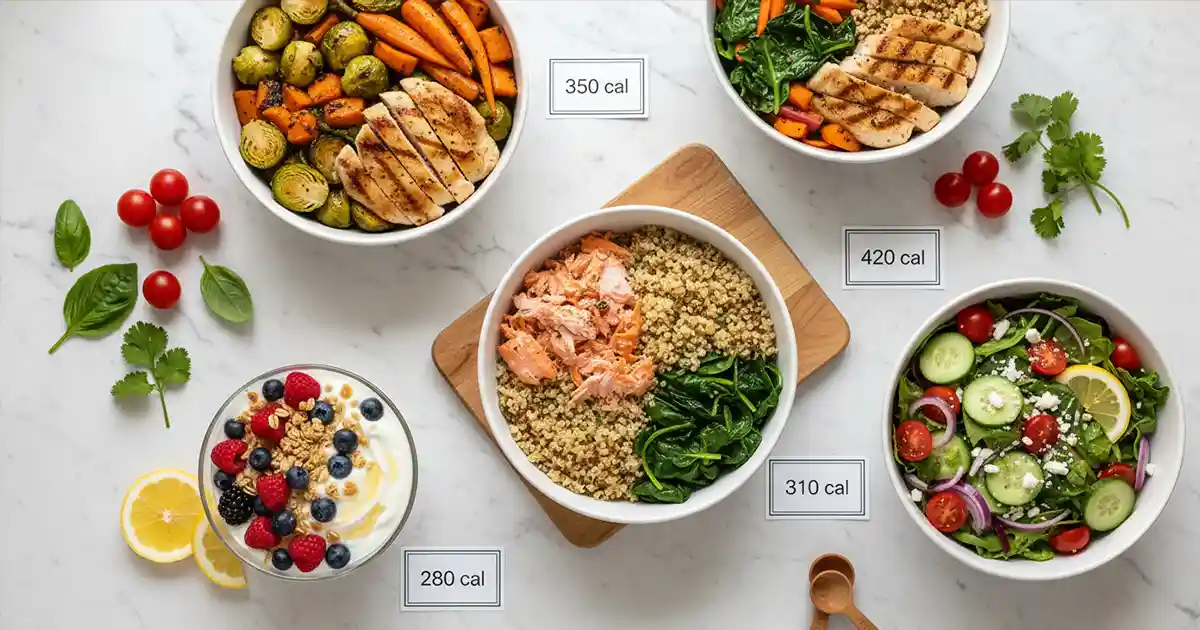
Low calorie meals work by creating a ‘caloric deficit,’ where you consume fewer calories than your body burns for fuel, forcing it to use stored fat.
Discover how to lose weight without sacrificing flavor. Our 2026 definitive guide covers everything from high-protein fuel to budget-friendly meal prep strategies that actually work.
Understanding Calories & Nutrition
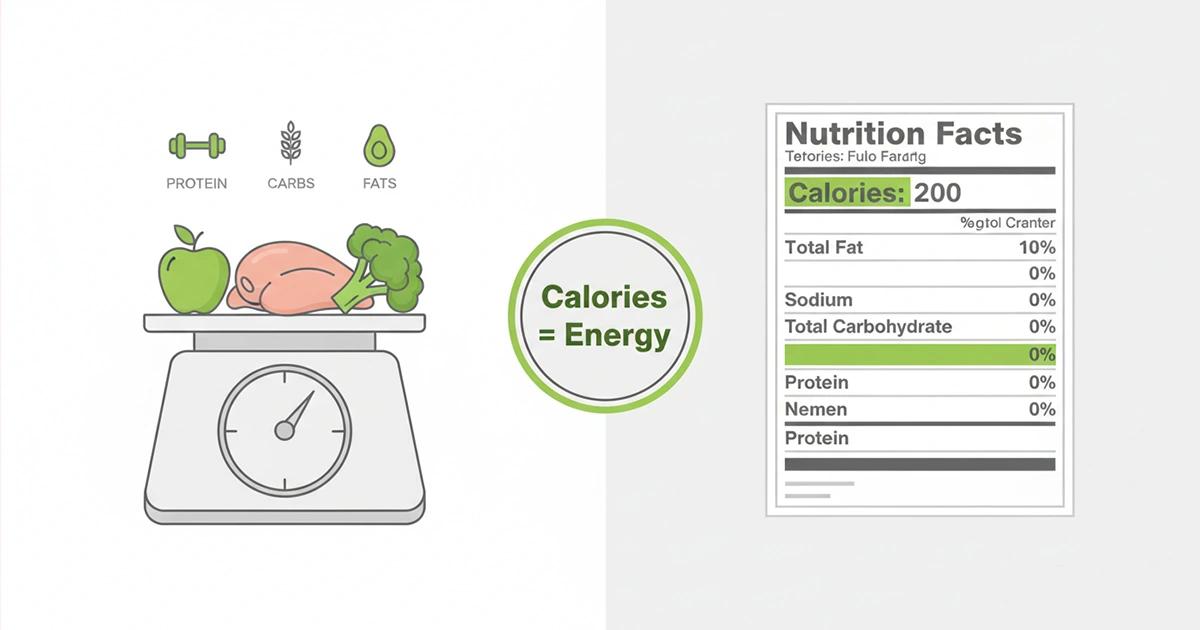
In 2026, the science of nutrition has evolved beyond simple “calories in, calories out.” While the fundamental energy balance equation remains true, we now understand that the quality of those calories dictates your hormonal response and hunger levels. When you choose low calorie meals, you’re looking for high nutrient density.
Your Total Daily Energy Expenditure (TDEE) is the number of calories you burn daily. To lose weight, a safe starting point is typically 500 calories below your maintenance level. Learn more about the calorie-counting-guide and how to use our tdee-calculator-guide.
Macronutrients, Protein, Carbohydrates, and Fats all play a role. Protein is the hero of low-calorie eating because it burns more calories during digestion (the thermic effect of food) and keeps you full longer. I recommend a split of 35% protein, 40% carbs, and 25% fats for most beginners.
| Lifestyle Category | Goal: Maintenance | Goal: Weight Loss (-500 cal) |
|---|---|---|
| Sedentary (Office job) | 1,800 – 2,000 cal | 1,300 – 1,500 cal |
| Lightly Active (1-3 days gym) | 2,100 – 2,300 cal | 1,600 – 1,800 cal |
| Moderately Active (Daily sport) | 2,400 – 2,600 cal | 1,900 – 2,100 cal |
Note: These are estimates. Use the TDEE calculator for precise numbers.
Quick Answer
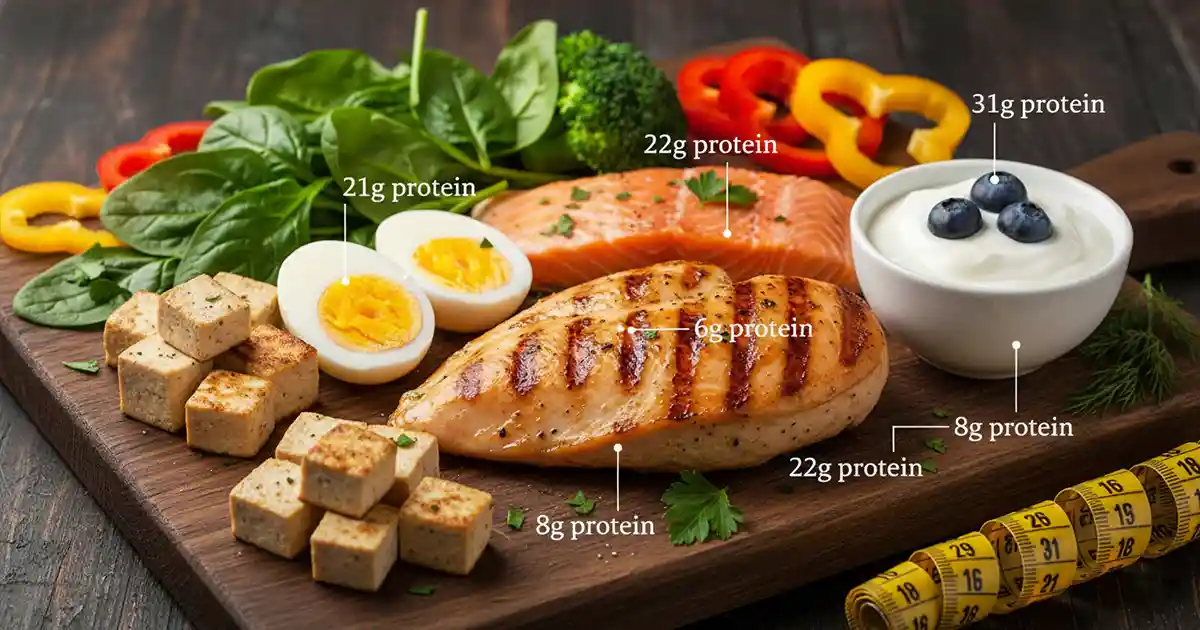
Protein is the most satiating macronutrient; aim for 25-30g of protein per meal to suppress hunger and preserve muscle mass during weight loss.
High Protein Low Calorie Meals
If you’ve ever felt “hangry” an hour after a salad, you likely missed out on protein. High protein low calorie meals are the secret weapon for sustainable weight loss.
Protein signals the release of GLP-1 and PYY, hormones that tell your brain you’re full. In my experience, hitting a protein goal makes the entire day easier.
Great lean sources include grilled chicken breast, egg whites, Greek yogurt, and white fish like cod or tilapia. For plant-based fans, seitan and tempeh offer incredible protein-to-calorie ratios. Try these grilled chicken recipes or our famous Greek yogurt bowls.
| Protein Source (100g) | Calories | Protein Content |
|---|---|---|
| Chicken Breast (Lean) | 165 kcal | 31g |
| Greek Yogurt (Non-fat) | 59 kcal | 10g |
| Cod / White Fish | 82 kcal | 18g |
| Egg Whites | 52 kcal | 11g |
Quick Answer
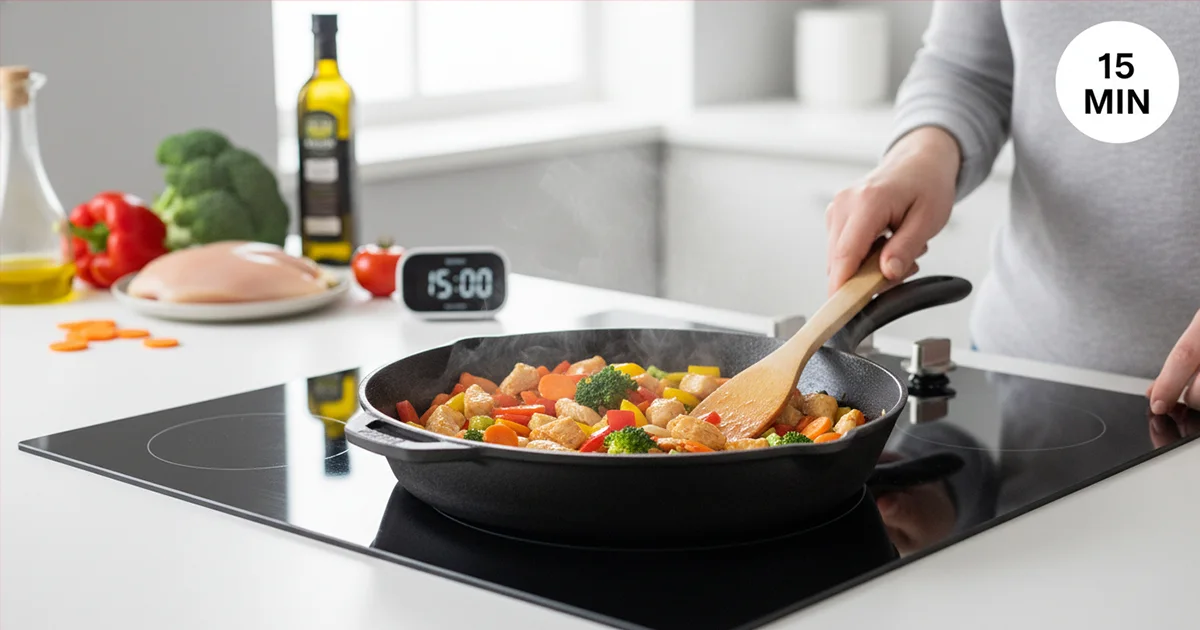
Easy low calorie meals focus on 15-minute prep times, utilizing ‘shortcut’ ingredients like pre-cut veggies and rotisserie chicken.
Easy Low Calorie Meals for Busy People
The number one reason people quit their diet is a lack of time. If a meal takes 45 minutes to prep, you’re more likely to grab fast food on a Tuesday night. I suggest focusing on “Sheet Pan” or “One Pot” meals. These minimize cleanup and prep.
- Air Fryer Salmon: 12 minutes at 400°F. Pair with steamed asparagus.
- Zucchini Noodle Stir-fry: Uses pre-spiralized noodles to save 10 mins.
- Taco Salads: Swap the shell for a bed of romaine.
Check out our collection of 15-minute dinners and one-pan recipes for more inspiration.
Quick Answer
Healthy eating on a budget relies on bulk staples like oats, beans, and frozen vegetables, which are often more nutritious than ‘fresh’ counterparts.
Budget-Friendly Low Calorie Meals
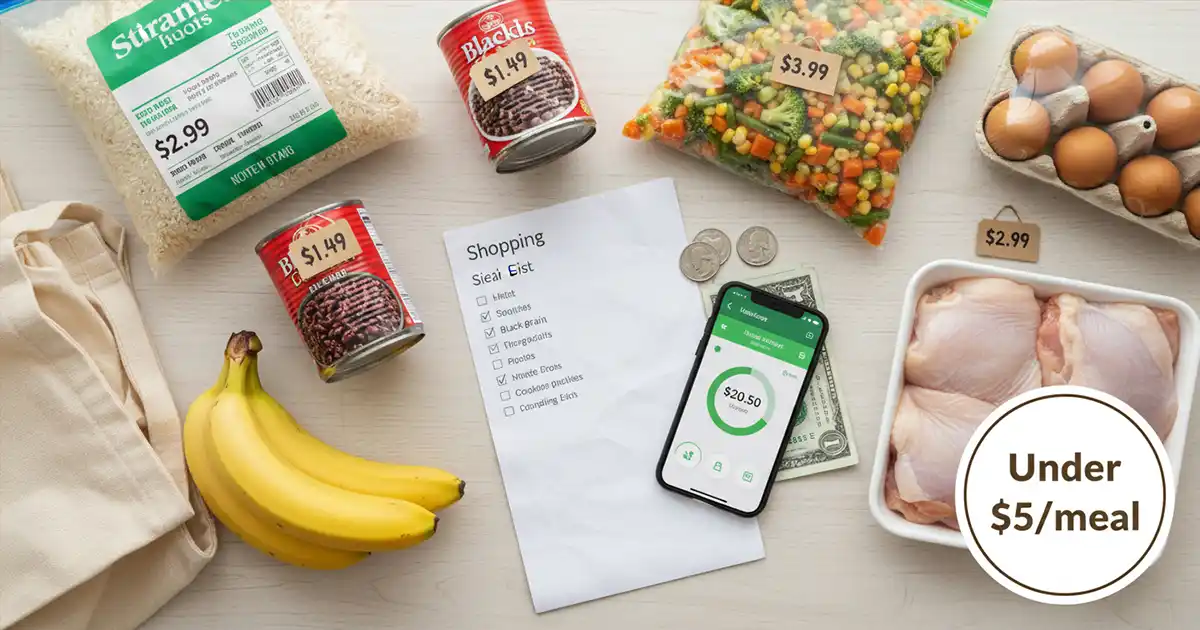
There’s a myth that low-calorie eating is expensive. While “superfoods” have high price tags, basic nutrition is affordable. Buying frozen vegetables is my top tip. They’re picked at peak ripeness and frozen immediately, locking in nutrients for a fraction of the cost of fresh produce.
Proteins like canned tuna, lentils, and bulk chicken thighs are incredibly cost-effective. Learn how to optimize your budget for grocery shopping and see our cheap-meal-prep guide for weekly savings.
| Meal Item | Estimated Cost / Serving | Total Calories |
|---|---|---|
| Oatmeal with Frozen Berries | $0.45 | 320 kcal |
| Canned Tuna & Chickpea Salad | $1.10 | 380 kcal |
| Chicken Thighs & Frozen Broccoli | $1.65 | 450 kcal |
Quick Answer
Volume eating utilizes foods with high water and fiber content (like cucumbers and cauliflower) to fill your stomach without adding significant calories.
High Volume Low Calorie Meals
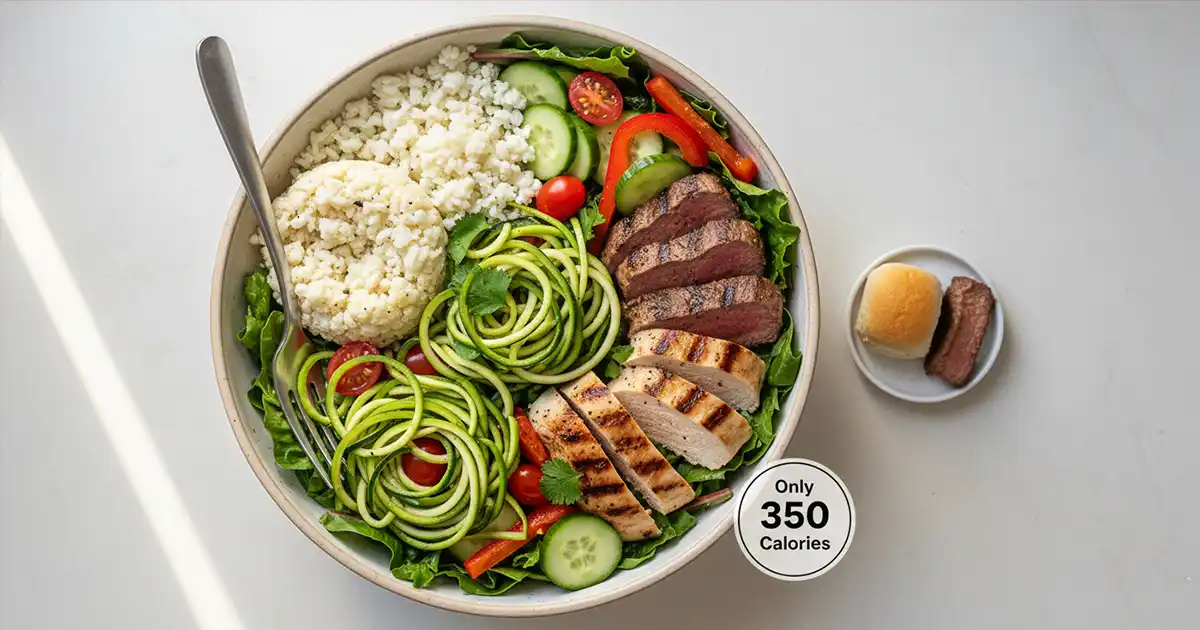
Volume eating is the ultimate “cheat code.” It allows you to eat a massive plate of food for under 400 calories. The secret is calorie density. A tablespoon of oil has 120 calories, but 5 cups of spinach have only 35. By swapping calorie-dense foods for high-volume ones, you trick your stomach’s stretch receptors.
Popular volume swaps include cauliflower-rice-recipes instead of white rice, and giant-salad-bowls, where the base is 90% leafy greens. You can literally eat more and weigh less.
Quick Answer
Structuring your day with 3 main meals and 2 snacks helps stabilize blood sugar and prevents evening binge eating.
Low Calorie Meals by Type
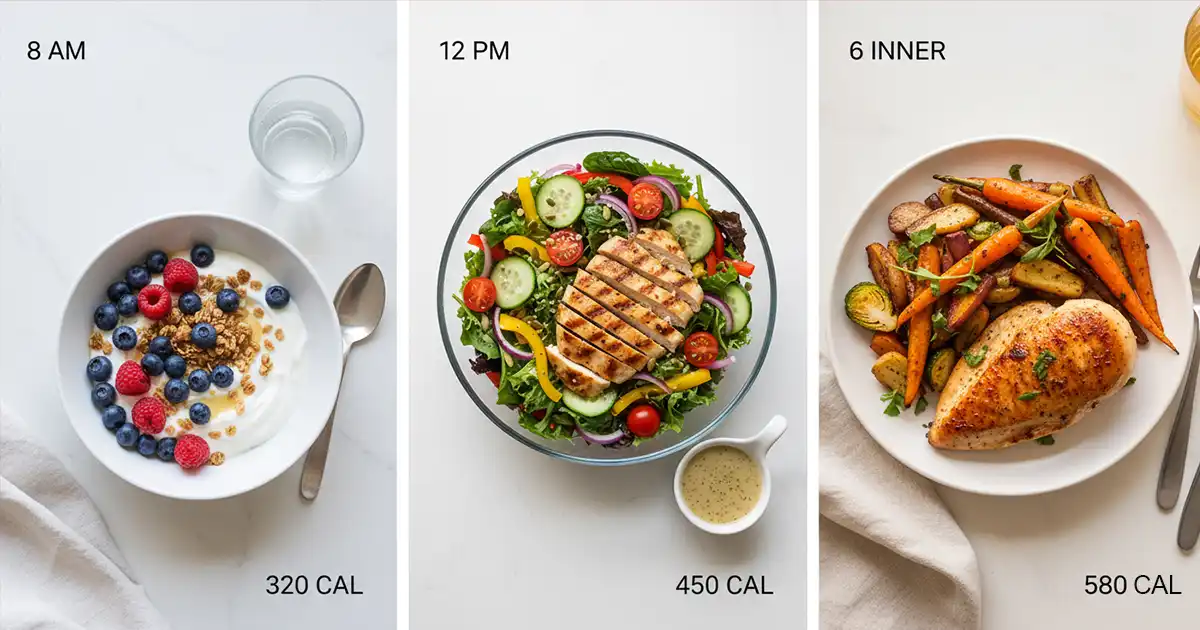
Categorizing your meals helps in planning. Most people find success with a ‘tiered’ approach: light breakfast, moderate lunch, and a satisfying dinner. Here are some quick starting points:
Breakfast (Under 400 cal)
Start with protein. Overnight oats or egg-white frittata are great options.
Lunch (300-450 cal)
Go for high fiber. A quinoa salad or turkey wrap keeps the afternoon slump away.
Dinner (400-500 cal)
The largest meal for most. Focus on lean meat and double veggies. Try stuffed peppers.
Quick Answer
Low calorie eating is adaptable; whether you’re Vegan, Keto, or Gluten-Free, the key is finding high-satiety foods within your dietary restrictions.
Low Calorie Meals for Every Diet
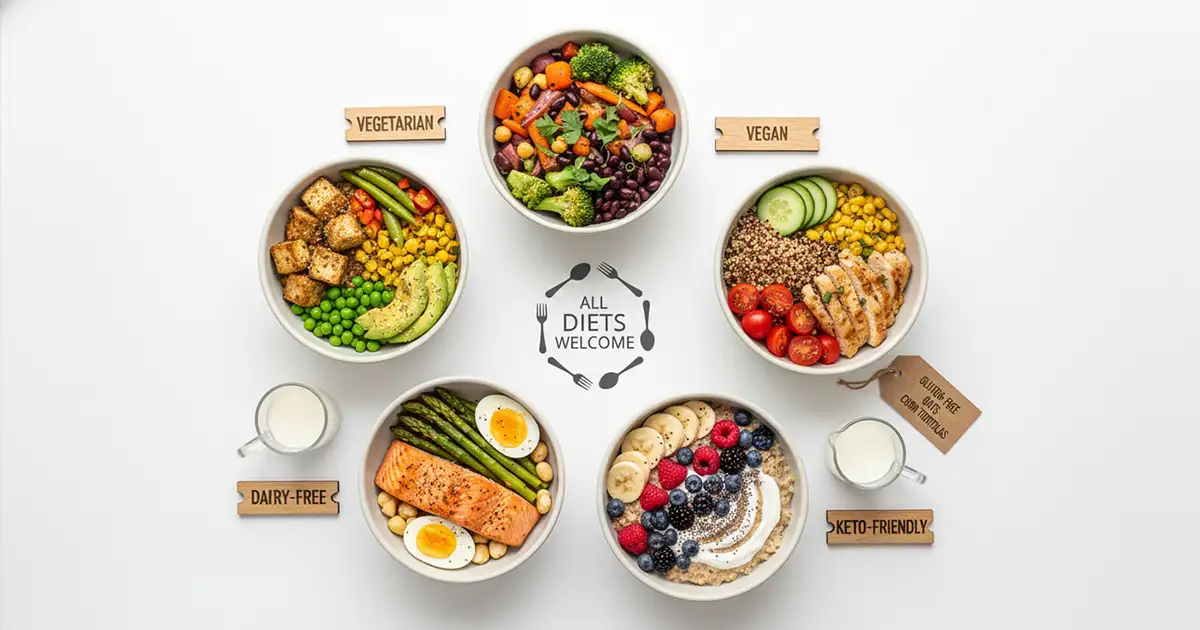
Regardless of your label, the principles remain. For Vegans, focus on legumes and tofu. For Keto, focus on lean fats and fiber-rich greens. Check our vegan-low-cal and keto-low-cal guides for specific plans.
Quick Answer
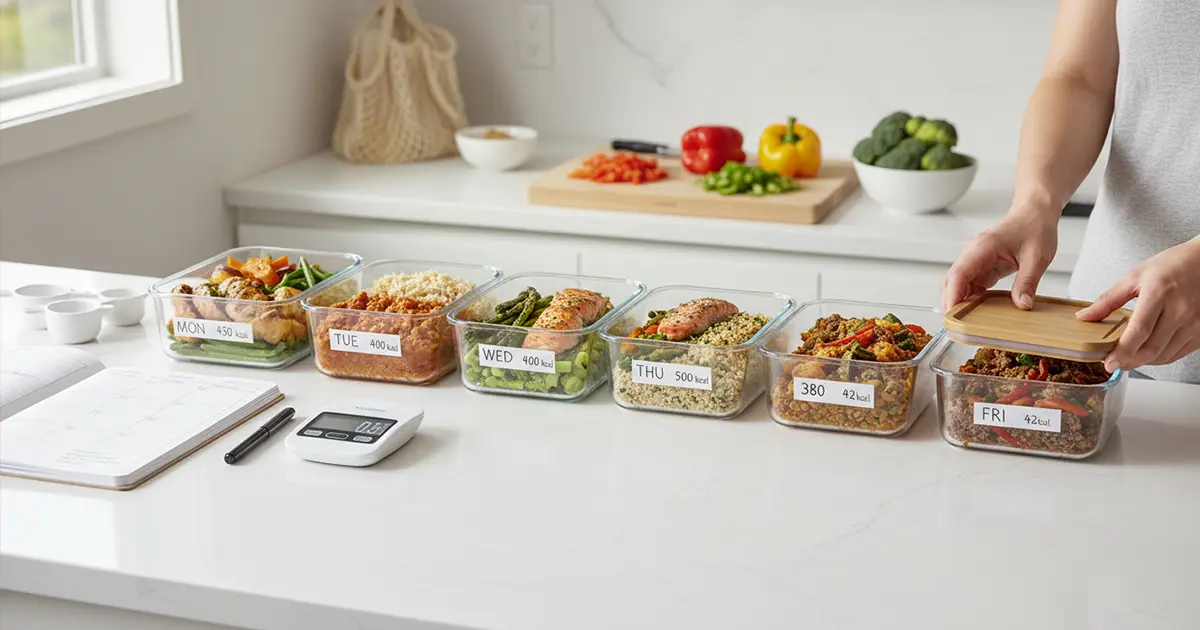
Successful meal prep is about preparing the ‘difficult’ parts of a meal (like proteins and grains) ahead of time so assembly takes minutes.
How to Plan & Prep Low Calorie Meals
Consistency is built on preparation. If you don’t have a plan, you’re at the mercy of your hunger. Follow our 3-step guide below to master your Sunday prep. Don’t forget to grab the meal-prep guide for our favorite container recommendations.
1. Pick Your Recipes
Select 3-4 diverse recipes for the week to prevent palate fatigue. Try our 15-minute-dinners.
2. Make a Grocery List
Buy in bulk for staples like rice and chicken. Focus on the perimeter of the store for fresh produce.
3. Batch Cook Proteins
Prep chicken, tofu, or lean beef on Sunday. This saves 20 mins every single night.
Quick Answer
Leverage digital tools like MyFitnessPal or Cronometer to track intake, alongside physical tools like a food scale for 100% accuracy.
Free Tools & Resources
Accuracy is the difference between plateaus and progress. A food scale is the most underrated tool in weight loss; most people underestimate their portions by 30%. I recommend checking out best-food-scales for my favorites.
Interactive Calorie Calculator
Calculate your personal needs based on your unique body profile.
Try Our Free Calorie Calculator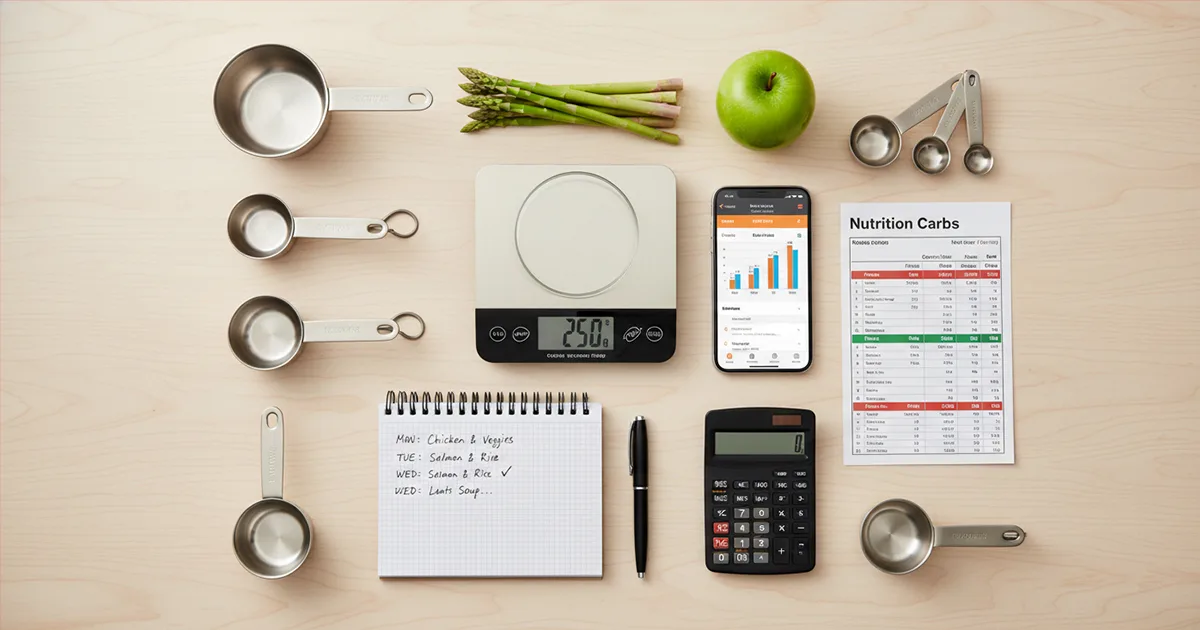
Quick Answer
Common pitfalls include drinking ‘hidden’ calories in sauces and beverages, and over-restricting, which leads to a binge-restrict cycle.
Avoid These Common Mistakes
All-or-Nothing Thinking: One bad meal doesn’t ruin a week. Get back on track immediately.
Drinking Your Calories: Sodas and juices add hundreds of calories without any fullness.
Sauce Sabotage: A “healthy” salad can hit 800 calories if drenched in ranch.
Ignoring Sleep: Lack of sleep increases ghrelin (the hunger hormone).
Not Weighing Food: Eyeballing “one serving” of peanut butter is almost always wrong.
Frequently Asked Questions
What are low calorie meals?
Low calorie meals are dishes designed to provide substantial nutrients and volume while keeping total energy (calories) low. Typically, these range from 300 to 500 calories for main meals.
How many calories per meal for weight loss?
Most people aim for 350-450 calories per meal to lose weight effectively. This varies based on your TDEE and how many snacks you consume daily.
Are low calorie meals filling?
Yes, if they are high in fiber and protein. Volume eating (adding plenty of low-calorie vegetables) ensures your stomach feels physically full.
Can I build muscle on low calorie meals?
Yes, provided you keep your protein intake high (around 0.8g to 1g per lb of body weight) and perform resistance training.
Are low calorie meals expensive?
No. Staples like frozen vegetables, beans, rice, and eggs are some of the cheapest foods available.
What are easy, low calorie meals for beginners?
Sheet pan chicken and veggies, turkey chili, and overnight oats are excellent starting points for beginners.
How much protein is in low calorie meals?
Aim for 25-35g of protein per meal to maximize satiety and muscle preservation.
Can I eat low calorie meals daily?
Absolutely. In fact, most long-term weight maintainers focus on low-calorie-density foods for 80% of their daily intake.
What’s the difference between low calorie and low carb?
Low calorie focuses on total energy intake. Low carb focuses specifically on reducing sugar and starches. A meal can be both, but doesn’t have to be.
How to meal prep low calorie meals?
Dedicate 2 hours on Sunday to wash/chop veggies and grill your proteins. This ensures you have healthy options ready when tired.
Are frozen vegetables good for low calorie meals?
They are excellent. They are often more nutrient-dense than fresh produce that has sat on a truck for days.
What are high volume low calorie meals?
These are meals that use ‘bulky’ ingredients like riced cauliflower, spinach, or zucchini to make a larger portion size for fewer calories.
Can I eat out on low calorie meals?
Yes. Look for grilled options, ask for dressing on the side, and choose vegetable-based sides instead of fries.
How accurate are recipe calorie counts?
They are estimates. Variations in ingredients and portion sizes can shift counts by 10-20%. Using a food scale improves accuracy.
Do I need to count calories forever?
No. Most people count for 3-6 months to ‘calibrate’ their eyes, then transition to intuitive eating once they understand portion sizes.
