

If you’re a woman on a calorie deficit but not losing weight, it’s often due to common factors like underestimating calorie intake, metabolic adaptation, hormonal imbalances, lack of sleep, or insufficient protein and fiber. Your body may also be experiencing changes in body composition without scale movement. Addressing these issues with accurate tracking, balanced nutrition, stress management, and appropriate exercise can help restart your progress.
You’ve been diligently counting calories, making healthy choices, and even hitting the gym consistently. Yet, the number on the scale refuses to budge. If you’re a woman wondering, “Why am I not losing weight on a calorie deficit?” you’re certainly not alone in this incredibly frustrating experience.
This comprehensive guide will explore the most common culprits behind stubborn weight loss plateaus for women and provide practical, science-backed strategies to help you get back on track. We’ll dive into the unique complexities of women’s physiology in weight loss, offering insights and solutions tailored just for you.
Understanding the Core Principle: What *Should* Happen on a Calorie Deficit?
At its heart, a calorie deficit is simple: you consume fewer calories than your body uses for daily functions and activities. When this happens, your body taps into its stored energy reserves, primarily fat, leading to gradual weight loss. In an ideal scenario, a consistent and moderate calorie deficit should result in a steady decline on the scale.
However, the human body, especially a woman’s body, is a complex system influenced by hormones, metabolism, stress, and lifestyle. This means that sometimes, even with diligent effort, the expected outcome doesn’t materialize, leading to frustration and the common question: “Why is this not working for me?”
The Most Common Reasons Your Calorie Deficit Isn’t Working (And How to Fix Them)
1. You’re Underestimating Your Calories (The Sneaky Culprit)
One of the most frequent reasons for a weight loss plateau is simply consuming more calories than you realize. It’s easy to accidentally underestimate your intake, especially with:
- Hidden Calories: Dressings, cooking oils, sauces, and caloric beverages can add hundreds of calories without much satiety.
- Inaccurate Tracking: Eyeballing portion sizes instead of measuring can lead to significant discrepancies.
- “Healthy” Foods: Nutrient-dense foods like nuts, avocados, and olive oil are healthy but calorie-dense; over-consuming them can push you out of a deficit.
- Small Bites & Sips: Those little tastes while cooking or a splash of creamer in coffee can add up quickly over the day.
How to Fix It:
Utilize Tools: Your Zailoo Calorie Deficit Calculator can help you establish an accurate baseline, but diligent tracking is key to staying within it.
Accurate Tracking: Invest in a food scale and measuring cups. Track everything for at least a week to get a realistic picture.
Read Labels Meticulously: Pay close attention to serving sizes and nutritional information.
Be Honest & Consistent: Log every single item, no matter how small.

Even small oversights in tracking can quickly add up, sabotaging your calorie deficit.
2. Metabolic Adaptation & Plateaus (Your Body’s Clever Defense)
As you lose weight, your body naturally adapts. It requires less energy to move a lighter body, and your metabolism (the rate at which you burn calories) can slow down to conserve energy. This is known as metabolic adaptation, and it often leads to a weight loss plateau where your initial calorie deficit is no longer sufficient.
Why for Women: This phenomenon can feel particularly frustrating for women, whose metabolic rates might already be influenced by body composition and hormonal factors, sometimes making adaptation more pronounced.
How to Fix It:
- Strategic Diet Breaks/Refeeds: Consider incorporating planned, temporary increases in calorie intake (e.g., a week at maintenance calories) to “reset” your metabolism and give your body a break.
- Increase Non-Exercise Activity Thermogenesis (NEAT): Look for simple ways to move more throughout the day—taking the stairs, walking during calls, parking further away.
- Re-evaluate Caloric Needs: As your weight changes, your maintenance calories decrease. Periodically re-calculate your Zailoo TDEE Calculator to ensure your deficit is still appropriate for your current body weight.
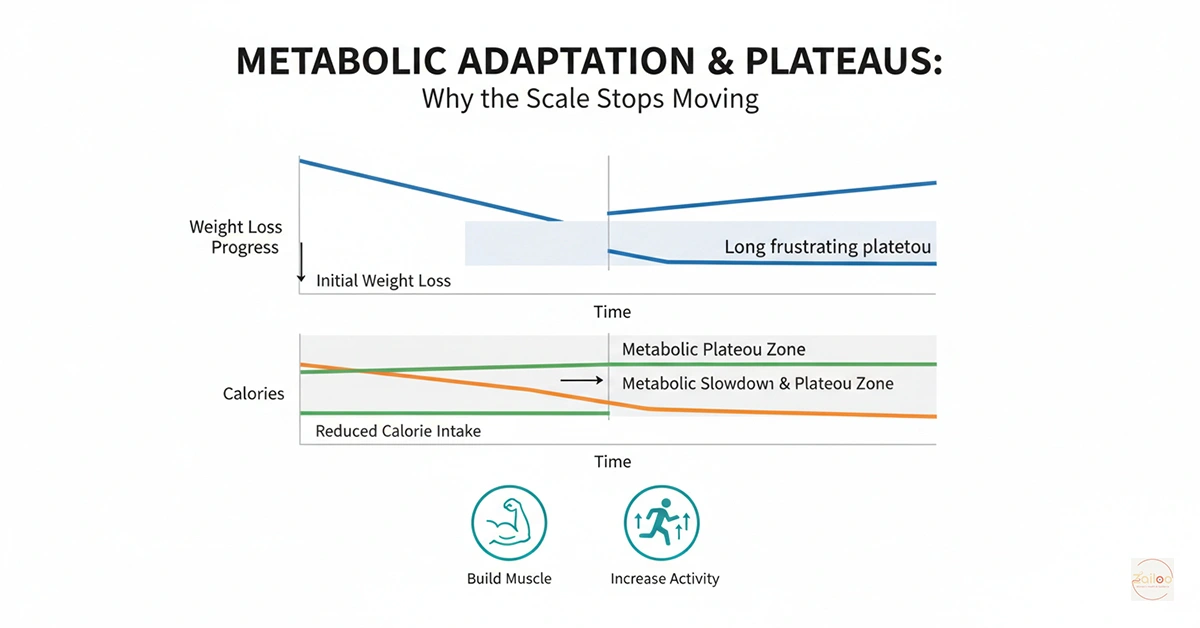
Understanding how your body adapts metabolically can explain why weight loss slows down.
3. Hormonal Imbalances (The Unseen Saboteurs)
Hormones are powerful regulators of almost every bodily function, including metabolism, appetite, and fat storage. For women, fluctuations or imbalances in hormones can profoundly impact weight loss efforts, even when consistently adhering to a calorie deficit.
Why for Women: Conditions such as Polycystic Ovary Syndrome (PCOS), hypothyroidism (an underactive thyroid), insulin resistance, or the natural hormonal shifts during perimenopause and menopause can create a physiological environment that resists weight loss, regardless of diet. For instance, high insulin levels can promote fat storage, while thyroid issues can significantly slow metabolism. PCOS, affecting many women, often leads to insulin resistance and difficulty with weight management.
How to Fix It:
- Consult a Healthcare Professional: If you suspect a hormonal issue, it’s crucial to seek diagnosis and treatment from a doctor, endocrinologist, or gynecologist. Self-diagnosing can be counterproductive.
- Focus on Nutrient-Dense Foods: A diet rich in whole, unprocessed foods can support overall hormonal balance.
- Stress Management: Chronic stress elevates cortisol, which can negatively impact other hormones. Incorporate stress-reduction techniques into your daily routine.

Hormonal imbalances can be a hidden factor behind stubborn weight loss, requiring a deeper look.
4. Lack of Sleep & Chronic Stress (The Silent Weight Gainers)
It’s easy to overlook the impact of lifestyle factors like sleep and stress on your weight loss journey. When you’re sleep-deprived or chronically stressed, your body’s hormonal balance goes awry. This leads to:
- Increased Cortisol: The “stress hormone” promotes fat storage, particularly around the abdomen, and can break down muscle.
- Increased Ghrelin & Decreased Leptin: Ghrelin is the “hunger hormone,” and leptin is the “satiety hormone.” Lack of sleep boosts ghrelin and suppresses leptin, making you feel hungrier and less satisfied. Harvard Health highlights the strong link between sleep and appetite-regulating hormones.
- Reduced Willpower: Fatigue makes it harder to resist unhealthy cravings and stick to your diet and exercise plan.
Why for Women: Women often shoulder multiple responsibilities—career, family, household—leading to higher levels of stress and often sacrificing sleep, making them particularly vulnerable to these weight loss saboteurs.
How to Fix It:
- Prioritize Sleep: Aim for 7-9 hours of quality sleep per night. Establish a consistent sleep schedule, create a dark and cool sleep environment, and avoid screens before bed.
- Stress Reduction Techniques: Incorporate mindfulness, meditation, yoga, deep breathing exercises, or spending time in nature to manage stress effectively.

Stress and poor sleep can undermine even the most diligent calorie deficit efforts by affecting hormones and willpower.
5. Not Enough Protein & Fiber (The Hunger Games)
When you’re in a calorie deficit, feeling constantly hungry is a major hurdle. This often happens if your diet lacks sufficient protein and fiber, two macronutrients crucial for satiety.
- Protein: It’s the most satiating macronutrient, helping you feel fuller for longer and preserving muscle mass during weight loss.
- Fiber: Found in fruits, vegetables, and whole grains, fiber adds bulk to your meals, aids digestion, and slows down nutrient absorption, contributing to lasting fullness. Research consistently shows the role of fiber in weight management.
Why for Women: Many women’s diets, especially those on the go, often fall short of recommended protein and fiber intake, relying instead on quick, processed meals that offer little satiety.
How to Fix It:
- Increase Protein Intake: Aim for a lean protein source at every meal (e.g., chicken, fish, eggs, Greek yogurt, legumes, tofu).
- Boost Fiber: Load up on non-starchy vegetables, berries, apples, whole grains (oats, quinoa), and beans.
- Hydration: Drink plenty of water throughout the day, as fiber requires fluid to work effectively and water itself contributes to a feeling of fullness.
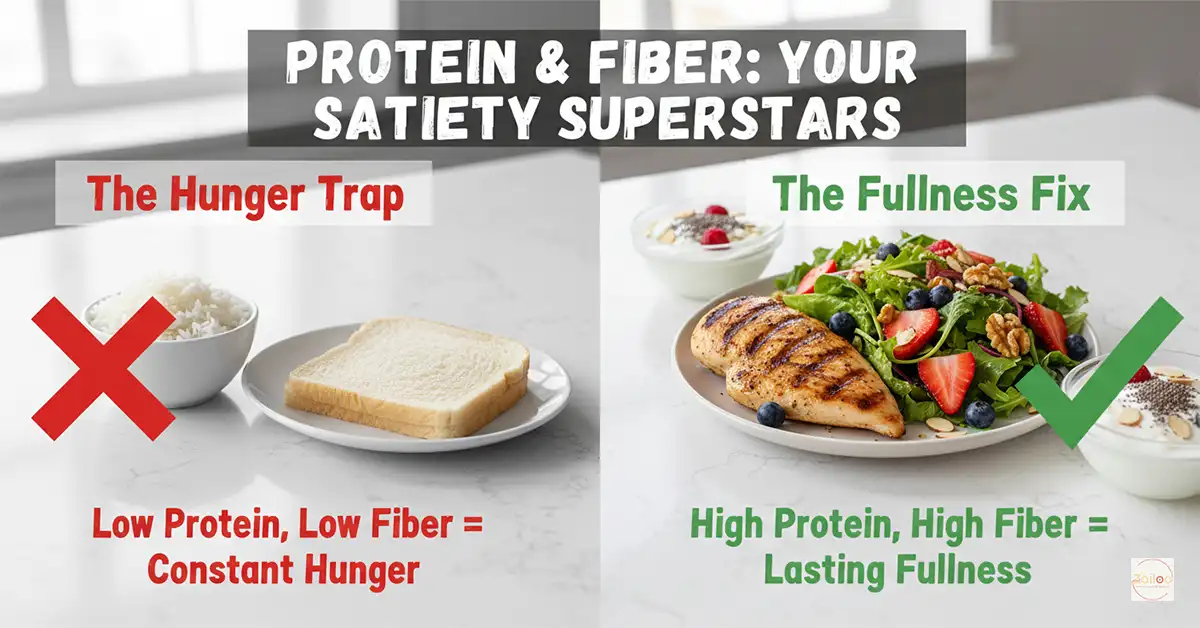
Prioritizing protein and fiber can significantly impact your satiety and help you stick to your calorie goals.
6. Not Building Enough Muscle (Your Metabolic Powerhouse)
While cardio is great for cardiovascular health, strength training is a game-changer for weight loss, especially in a calorie deficit. Muscle tissue is more metabolically active than fat tissue, meaning it burns more calories even at rest. If you’re only focusing on cardio and losing muscle mass during your deficit, your metabolism can slow down, making it harder to burn fat.
Why for Women: Many women mistakenly fear “bulking up” and avoid lifting weights, missing out on the significant metabolic and body composition benefits that strength training offers. Building muscle helps create a more toned physique and boosts your resting metabolism.
How to Fix It:
- Incorporate Strength Training: Aim for 2-3 sessions of full-body strength training per week. This can include bodyweight exercises, dumbbells, resistance bands, or gym machines. Focus on compound movements.
- Prioritize Protein: Adequate protein intake is crucial for muscle repair and growth, especially when you’re training and in a calorie deficit.
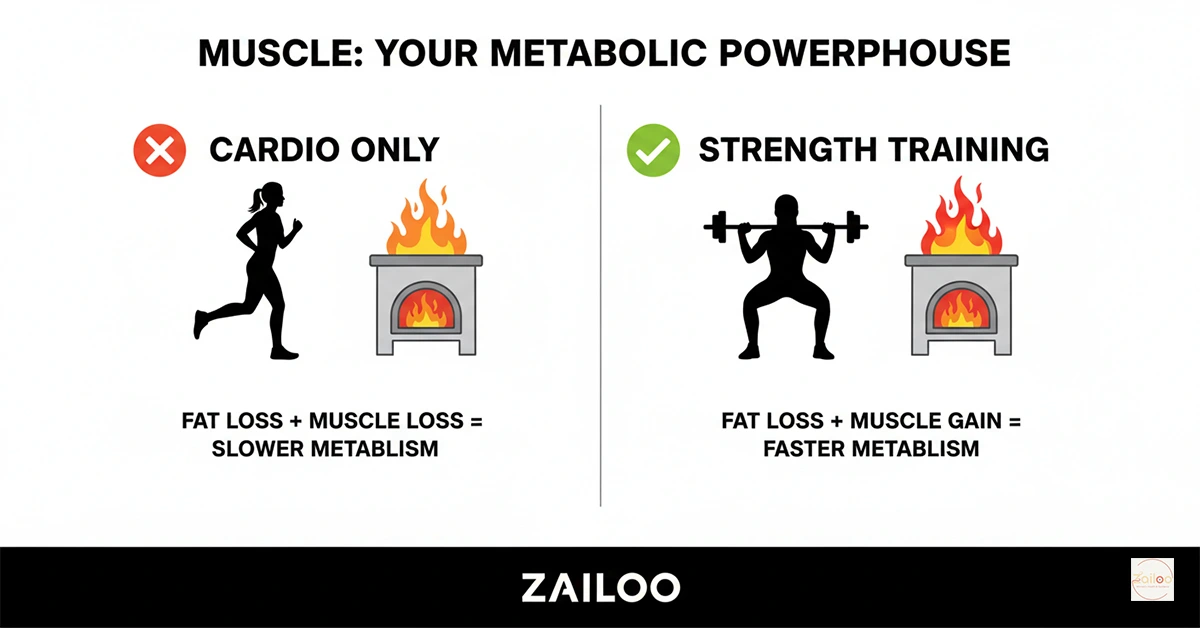
Strength training can boost your metabolism by preserving and building calorie-burning muscle mass.
7. Ignoring Non-Scale Victories (Focusing Only on the Number)
The number on the scale is just one piece of the puzzle, and it often doesn’t tell the full story of your progress. Your body can be undergoing significant positive changes even if the weight isn’t dropping. This is known as body recomposition—losing fat and gaining muscle simultaneously. Since muscle is denser than fat, your weight might stay the same or even slightly increase, yet your body shape transforms, and you become healthier.
Why for Women: Society often places immense pressure on women to see a specific number on the scale. This singular focus can lead to intense disappointment and demotivation, even when real, tangible progress is being made in other areas.
How to Fix It:
- Track Other Metrics: Regularly take body measurements (waist, hips, thighs), progress photos, and note improvements in strength, endurance, and energy levels.
- Focus on Health & Feeling: Shift your perspective from solely weight to overall well-being, how your clothes fit, and your enhanced capabilities.
- Utilize Tracking Tools: The Zailoo Progress Tracker is designed to help you celebrate these non-scale victories and visualize your holistic transformation.
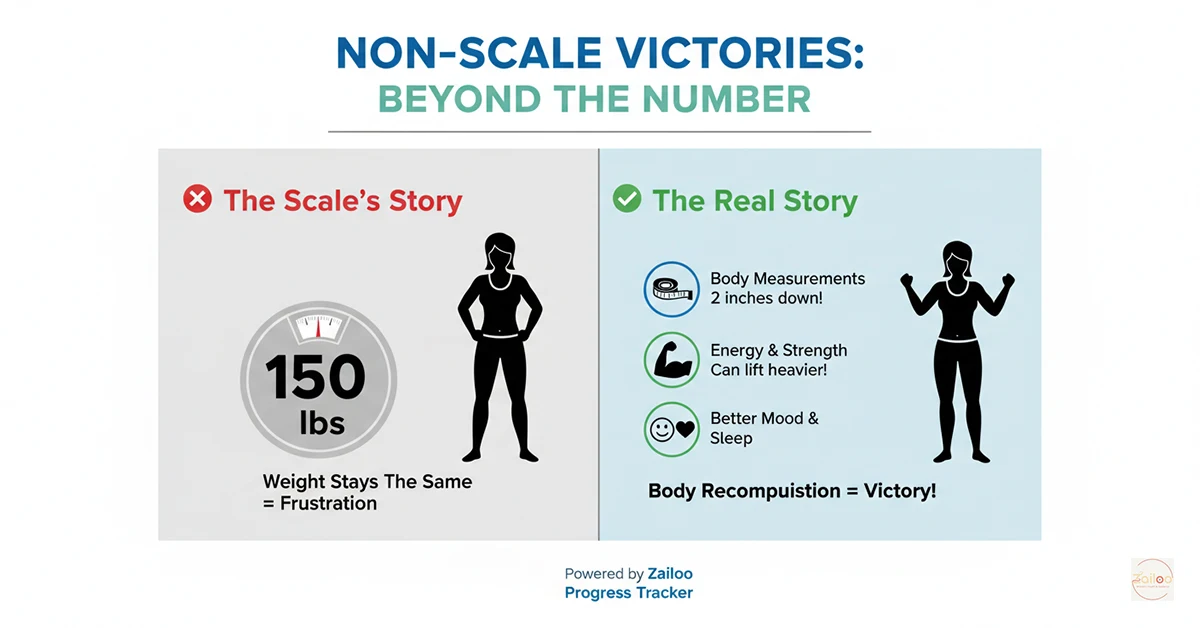
True progress goes beyond the numbers on a scale; celebrate your non-scale victories for a more empowering journey.
When to Seek Professional Help (Don’t Go It Alone)
While many common weight loss challenges can be addressed with the strategies above, sometimes a deeper issue might be at play.
If you’re consistently hitting a plateau despite diligent effort, experiencing extreme fatigue, irregular periods, unexplained hair loss, or other concerning symptoms, it’s crucial to seek professional help.
A doctor, registered dietitian, or certified personal trainer can provide personalized guidance, diagnose underlying conditions, and help you develop a safe and effective plan tailored to your unique needs.
Why for Women: Women’s bodies are intricate, with unique hormonal and metabolic considerations. Professional guidance can be invaluable in navigating these complexities and ensuring your weight loss journey is both successful and healthy.
Frequently Asked Questions About Calorie Deficit & Weight Loss
How much of a calorie deficit is safe for women?
A safe and sustainable calorie deficit for most women is typically 300-500 calories below their Total Daily Energy Expenditure (TDEE). This generally leads to a healthy weight loss of 1-2 pounds per week. Going too low can be detrimental to health, causing nutrient deficiencies, hormonal imbalances, and muscle loss.
Why am I gaining weight on a calorie deficit?
If you’re gaining weight on a calorie deficit, it could be due to several factors: inaccurate calorie tracking (underestimating intake), water retention (especially common for women due to hormonal fluctuations), initial muscle gain if you’ve started strength training, or an underlying medical condition. Re-evaluate your tracking accuracy and consult a professional if concerns persist.
How long does a weight loss plateau typically last for women?
Weight loss plateaus can vary, lasting anywhere from a few weeks to a few months. It’s a normal part of the process as your body adapts. Instead of becoming discouraged, use this time to reassess your strategy, ensuring accurate tracking, adjusting your caloric intake, increasing NEAT, and prioritizing strength training and rest.
Can stress really stop weight loss on a calorie deficit?
Yes, chronic stress can significantly hinder weight loss. Elevated cortisol levels (the stress hormone) can promote fat storage, particularly around the midsection, increase appetite, and disrupt other hormones crucial for metabolism. Managing stress through mindfulness, adequate sleep, and relaxation techniques is vital for successful weight loss.
Ready to Break Through Your Plateau?
Don’t let frustration stop your progress. Utilize Zailoo’s comprehensive tools to understand your body better and achieve your health goals:
Conclusion:
Hitting a weight loss plateau on a calorie deficit is a common, often disheartening experience for women. However, it’s rarely a sign of failure and almost always a signal that it’s time to re-evaluate your strategy.
By accurately tracking your intake, understanding metabolic and hormonal factors, prioritizing sleep and stress management, incorporating strength training, and celebrating your non-scale victories, you can effectively break through those plateaus.
Remember, your weight loss journey is unique. Be patient, be persistent, and most importantly, be kind to yourself as you work towards sustainable results and a healthier, stronger you.